

HANOI SPECIALTIES: FROM RAW MATERIAL VALUE TO OCOP BRAND

Ingredients and processing know-how create identity
Hanoi has the advantage of a long-standing system of craft villages, diverse sources of agricultural materials and rich food processing traditions. These factors create many typical products, both meeting consumer needs and bearing local cultural imprints.
In the process of forming a specialty, raw materials are the determining factors for the basic characteristics of the product. Quality, freshness, harvest time, and storage conditions all affect taste, color, structure, and shelf life. However, good ingredients only reach their full value when they are processed with the right techniques.
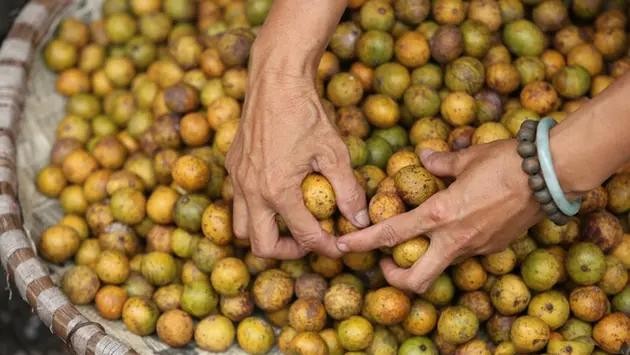 |
| The quality of input materials is one of the factors that directly affect the taste, color and stability of specialty products. |
Vong village nuggets are a typical example. The selection of glutinous rice at the appropriate maturity, combined with the experience of roasting, pounding and processing raw materials, determines the plasticity, color and aroma of the finished product. Seemingly simple stages actually require the understanding of raw materials and the flexible adjustment ability of the worker.
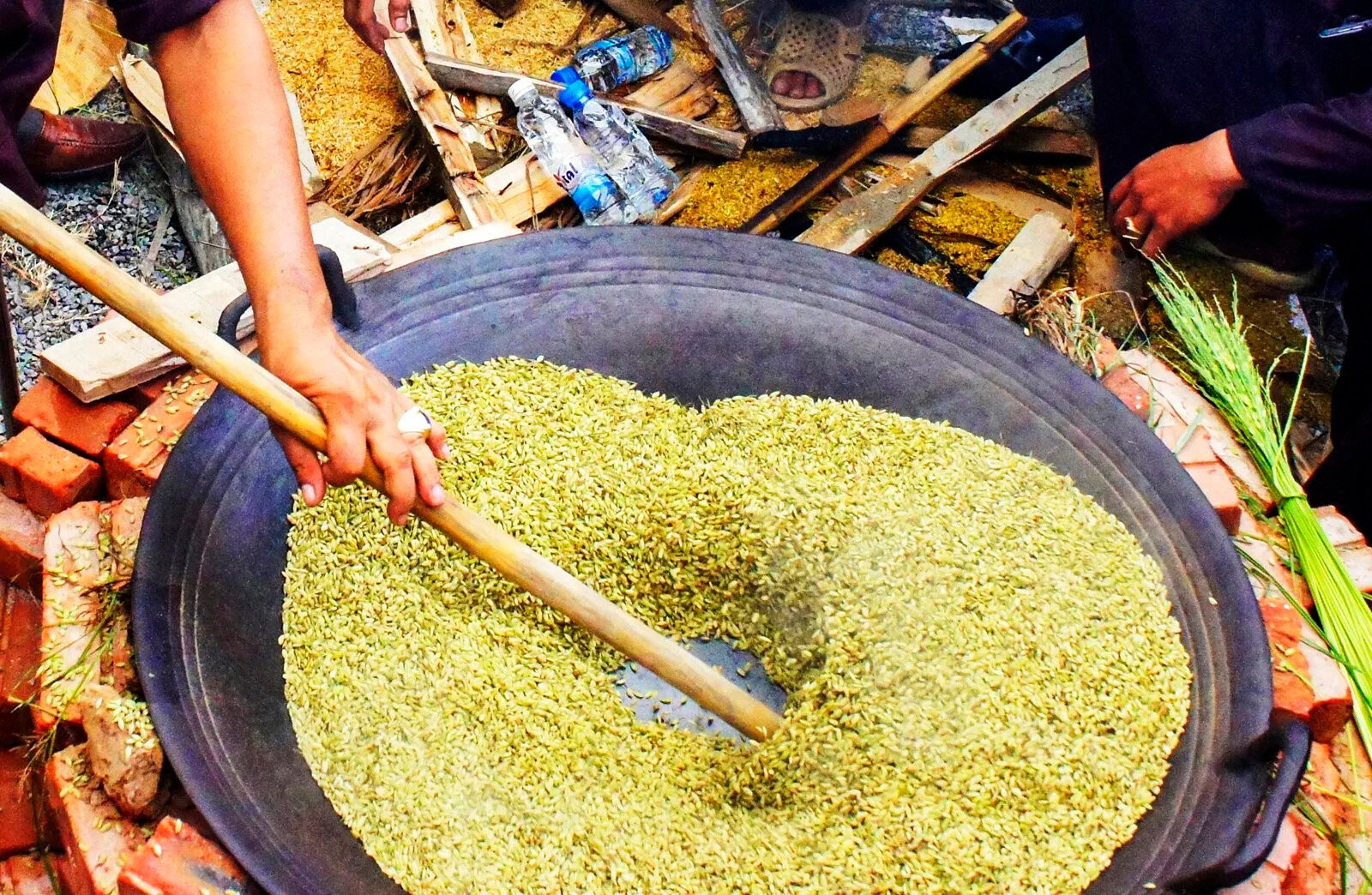 |
| The processing stages of Vong village nuggets require meticulousness, experience and the ability to choose ingredients at the right time, contributing to the typical taste of Hanoi gifts. |
Processing know-how is also a factor that makes the difference between products of the same type. A lot of experience is accumulated through the practice process, from the selection of ingredients to the control of temperature, time and processing operations. This is knowledge that needs to be preserved, and at the same time transformed into appropriate processes when the facility expands production.
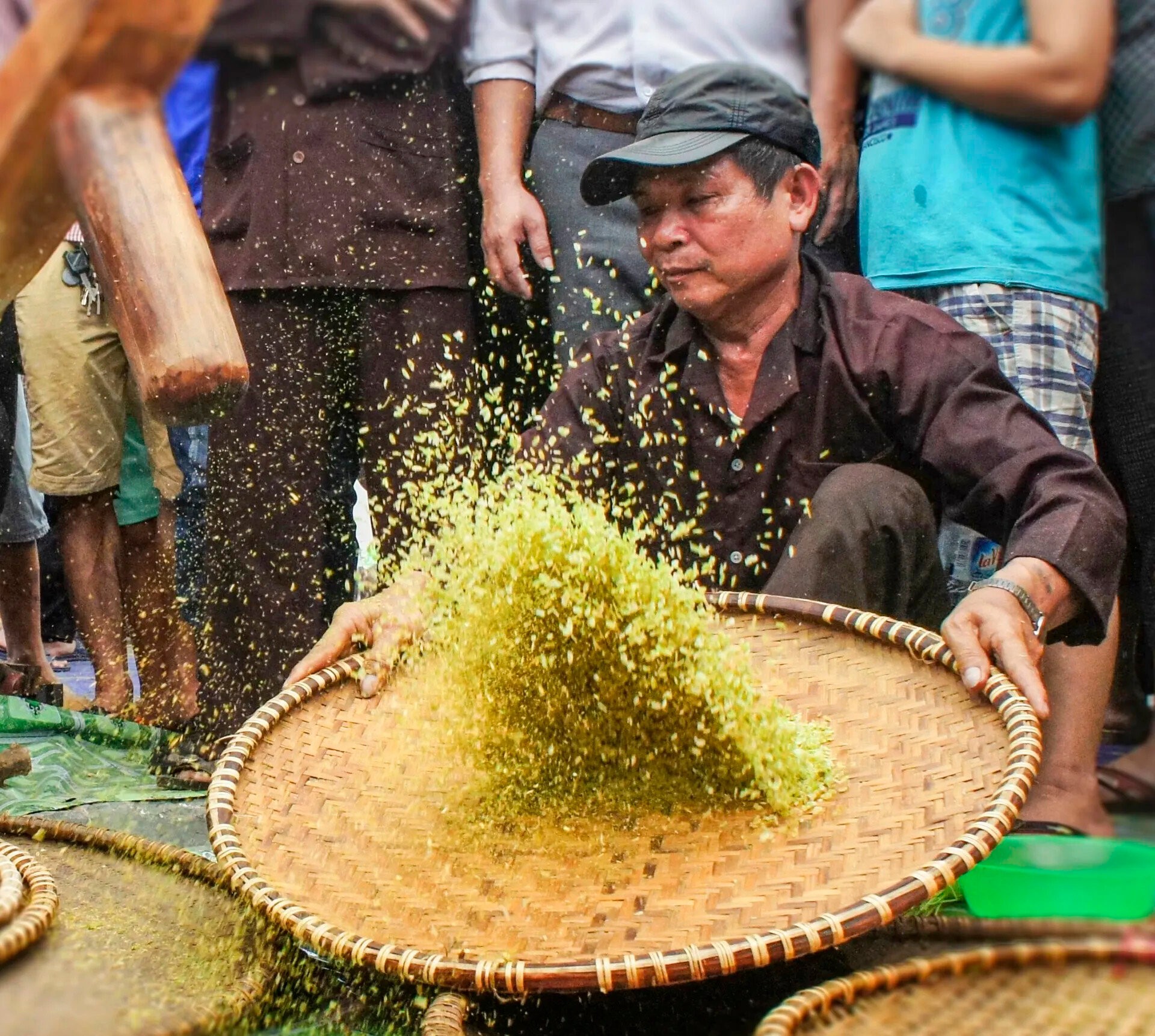 |
| The processing stages of Vong village nuggets require meticulousness, experience and the ability to choose ingredients at the right time, contributing to the typical taste of Hanoi gifts. |
For participants in the One Commune One Product Program (OCOP), local advantages need to be shown by specific factors: clear raw materials, suitable production processes, product characteristics and quality control capabilities. The traditional story is only truly convincing when it is guaranteed by actual quality and production capacity.
Quality standardization is a condition for market expansion
If raw materials and processing know-how create an identity, stable quality is a condition for specialties to reach a wider market. Consumers are increasingly interested in the taste, origin, ingredients, labels and safety of products.
For food, facilities need to comply with regulations applicable to their type of production and products, from facility conditions, processing hygiene, raw material control to storage and labeling. The production process needs to be monitored and documented at important stages to limit deviations between batches, maintain quality and support traceability when necessary.
The determination of shelf life also needs to be based on product characteristics, storage conditions and appropriate evaluation bases, rather than just based on word-of-mouth experience. This is an important requirement for food specialties when moving from household scale to the production of goods for the distribution system.
In the OCOP program, product evaluation and classification are carried out according to the current set of criteria and processes. Decision No. 148/QD-TTg dated February 24, 2023 and Decision No. 1489/QD-TTg dated July 6, 2025 are the bases related to the evaluation and classification of OCOP products. Entities need to use information on the number of stars in accordance with the valid recognition results; at the same time, it is noted that OCOP ratings do not replace legal requirements on quality, food safety and specialized management.
Besides the actual quality, packaging and labels are factors that directly affect the ability to reach buyers. Information about the producer, origin, ingredients, storage instructions and contact channels should be clearly displayed according to regulations. Traceability codes, when implemented appropriately, can support information transparency and increase consumer confidence.
From OCOP products to market competitiveness
After completing the quality, the problem posed with Hanoi specialties is to choose the right consumption channel and organize a stable supply. Products can access specialty stores, points of introduction and sale of OCOP products, supermarkets, gift systems, tourist attractions or e-commerce platforms.
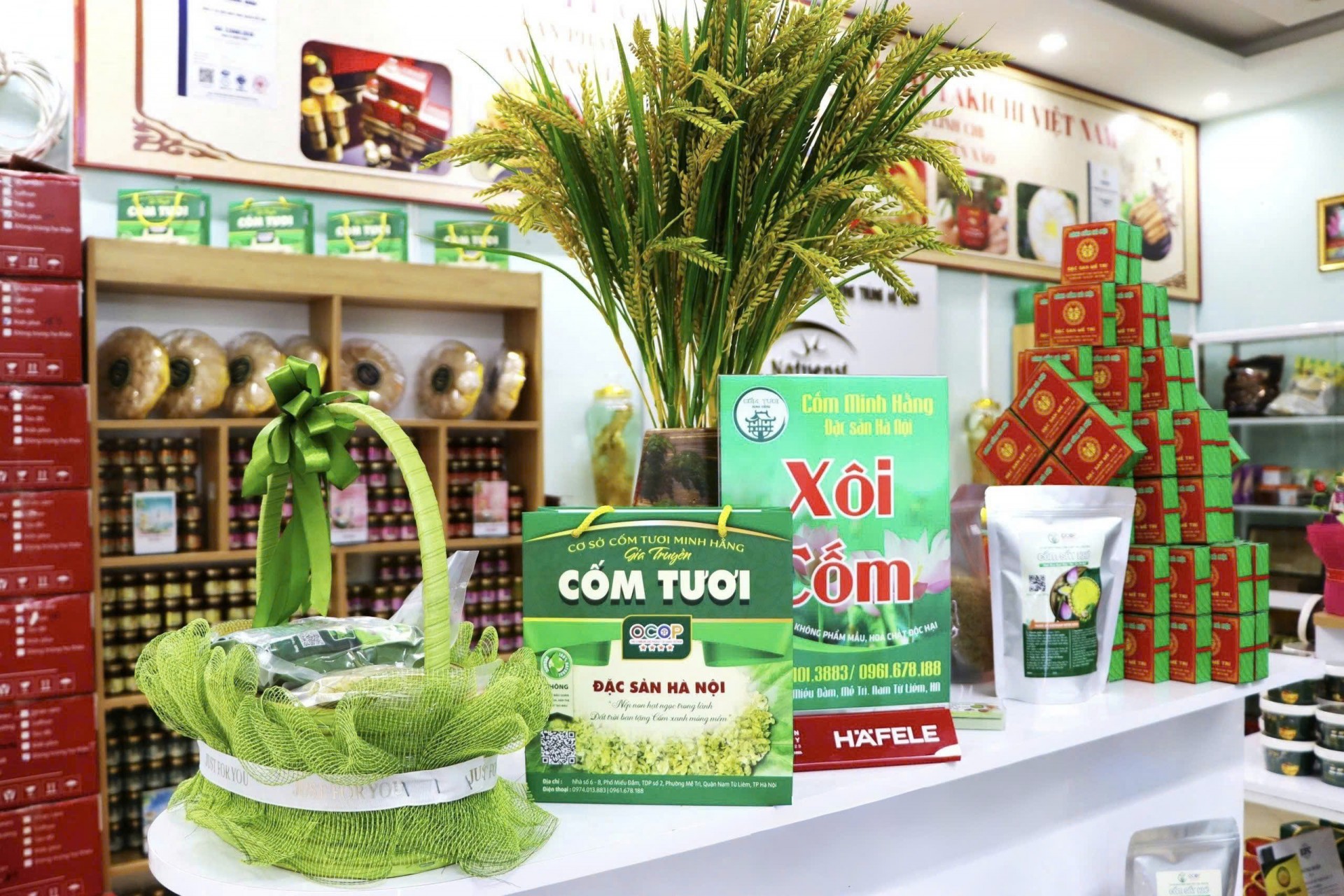 |
| The processing stages of Vong village nuggets require meticulousness, experience and the ability to choose ingredients at the right time, contributing to the typical taste of Hanoi gifts. |
Each distribution channel has its own requirements for packaging, output, delivery, preservation and sales policies. Therefore, the producer needs to identify the target customer group right from the product development stage. Specialties for regular consumption can be prioritized for convenient specifications; gift products need to focus on design, identification and preservation during transportation.
Packaging innovation, capacity diversification or development of new product lines also need to come from actual needs, while maintaining the characteristics that make up identity. For products with short shelf life or easy to change quality, storage capacity and logistics organization need to be calculated synchronously with the consumption plan.
 |
| The processing stages of Vong village nuggets require meticulousness, experience and the ability to choose ingredients at the right time, contributing to the typical taste of Hanoi gifts. |
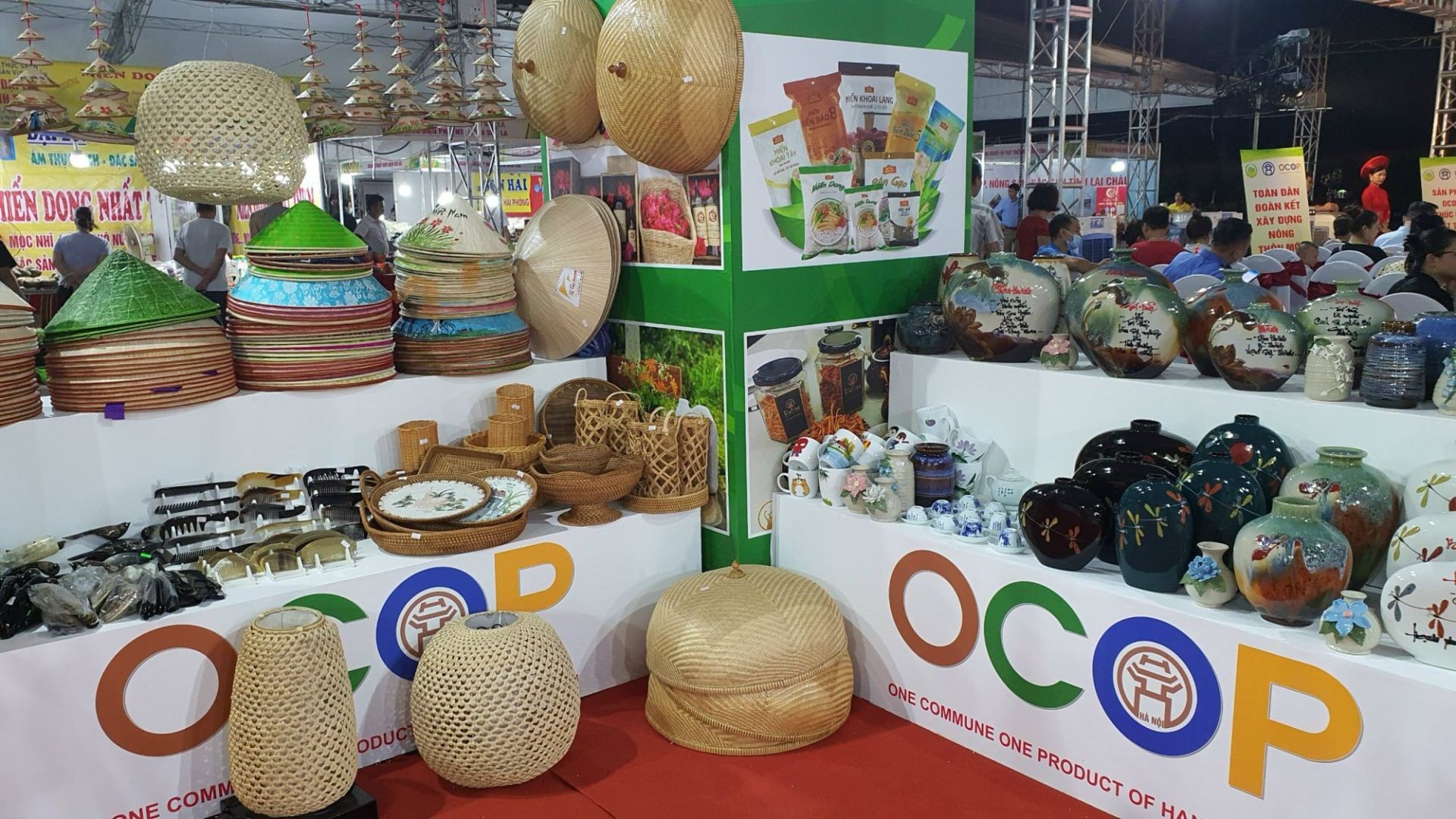
Hanoi's OCOP development orientation associated with cultural identity, traditional craft villages, tourism and cultural gifts open up opportunities for local specialties to access new markets. When connected to tourist attractions and experience spaces, products are not only consumed as an item but also become a means of introducing culinary culture and life of Hanoi people.
To take advantage of this opportunity, it is necessary to shift from an individual way of doing things to organizing the value chain, connecting raw material suppliers, processing facilities, shipping units and distributors. The association helps the subject be more proactive about supply, improve the ability to fulfill orders and reduce risks when the market fluctuates.
Along with that, branding needs to be carried out consistently from quality, identification, product information to communication activities. Stories about raw material areas, processing techniques and professionals can make a difference, but they must be based on authentic information, avoiding general promotion or causing confusion about the origin.
For Hanoi, promoting the connecting role of management agencies, trade promotion units and distribution systems will contribute to bringing OCOP products closer to consumers. This is also the basis for subjects to gradually improve their management capacity and meet the requirements of professional sales channels.
Tin mới hơn

Tin khác


