

Arabica Son La: Building a coffee brand from the green value chain

Brand foundation from emission-reducing coffee plantations
Currently, Son La has more than 33,600 hectares of coffee with a bean output of about 37,700 tons per year. This is the largest Arabica region in Vietnam, possessing special climatic and soil conditions, creating a mild and sour taste with a characteristic deep sweet aftertaste.
However, in order for coffee beans to conquer fastidious markets such as Europe, Japan or Korea, product quality alone is not enough. What the market is increasingly interested in is whether the production method is environmentally friendly or not.
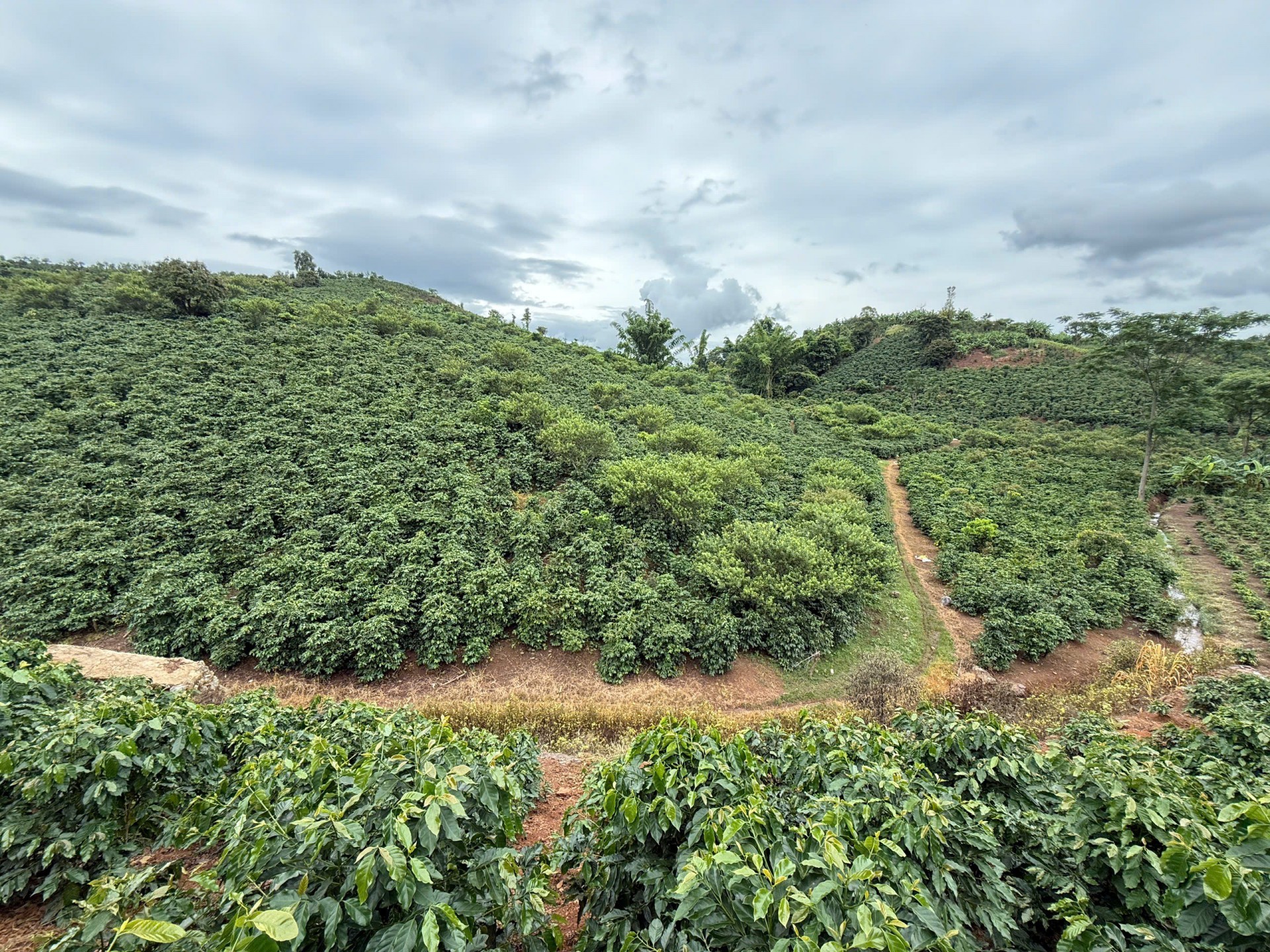 |
| Arabica coffee plantations stretch across the Son La plateau, the largest coffee-growing region in the country. |
In Hoang Van Thu village, Chieng Coi ward, Bich Thao Coffee Cooperative is becoming one of the pioneers in the journey of greening the coffee industry. The cooperative currently has 22 members, associated with about 1,200 households producing over 500 hectares of emission-reducing coffee and more than 1,500 hectares of raw materials for processing and export.
Director of Bich Thao Coffee Cooperative, Mr. Nguyen Xuan Thao said: "The direction that Bich Thao Coffee Cooperative chooses is to build a raw material area according to the circular economy model. From reducing chemical fertilizers, increasing the use of organic fertilizers and indigenous microorganisms to interplanting fruit and timber trees in coffee plantations, all aim to improve soil health and reduce environmental impact. In particular, post-processing by-products such as rice husks, ash and coffee grounds continue to be reused in production, forming a closed cycle right in the coffee value chain."
In coffee gardens, the model of interplanting fruit trees and trees for wood is also widely implemented. The green canopy not only helps to retain moisture and prevent soil erosion but also contributes to creating a stable ecological environment in the face of the increasingly obvious impacts of climate change. In particular, the cooperative builds a closed production process in the direction of circular economy. Processed rice husks are utilized as fuel for coffee drying. Post-burn ash continues to be used as fertilizer for crops. Coffee grounds are mixed with microbial preparations to create a source of organic fertilizer to return to the field.
The "zero waste" mindset is helping to significantly reduce input costs, limit greenhouse gas emissions, and improve the quality of farmland. As a result, in the 2025-2026 crop year, Bich Thao Coffee Cooperative processes about 4,000 tons of coffee beans, of which 95% of the output is exported to fastidious markets such as the EU, Japan and Korea. Revenue reached over 105 billion VND, the average income of members reached more than 185 million VND/year.
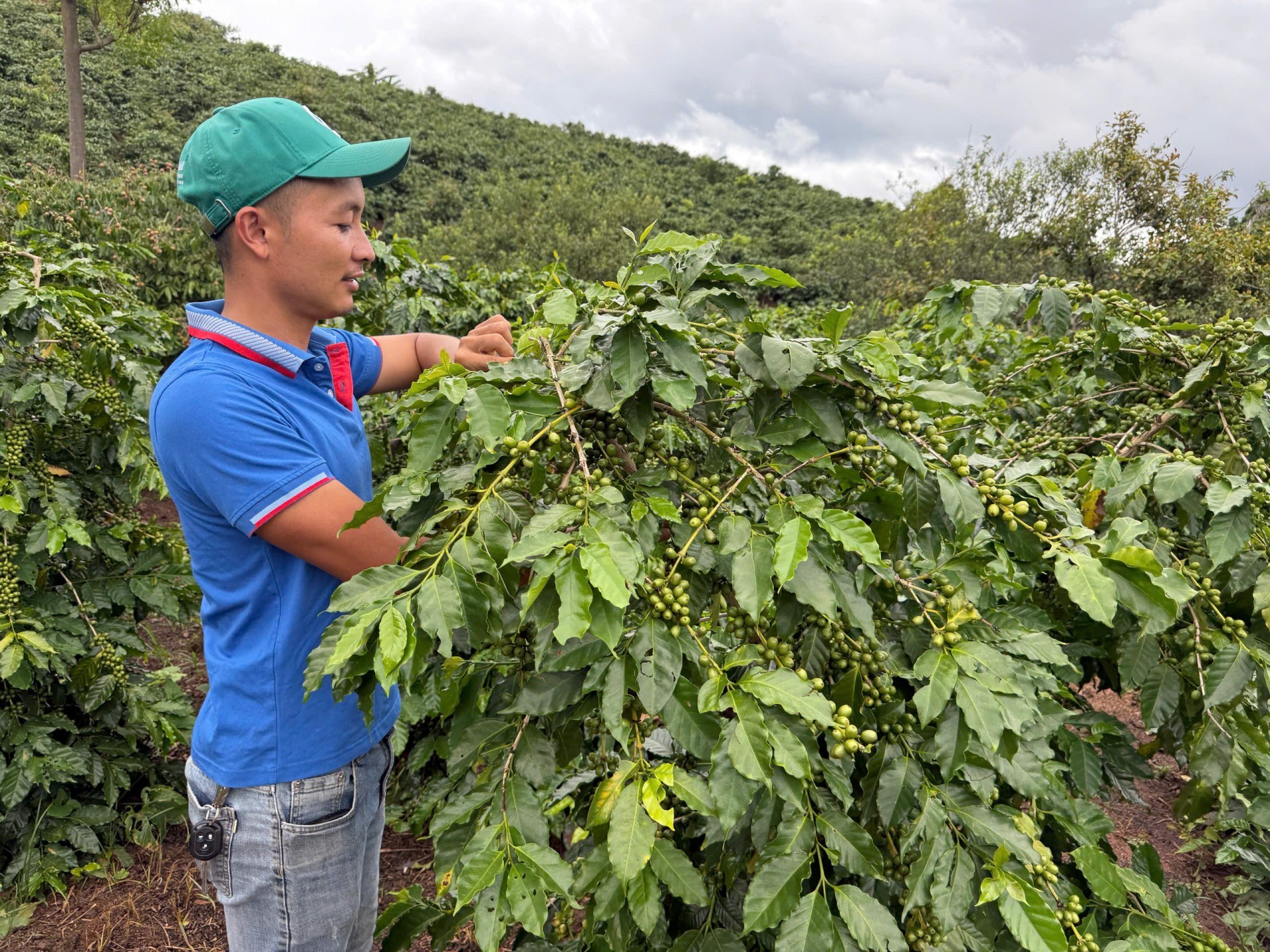 |
| Son La farmers cultivate coffee in a sustainable manner, adapting to climate change. |
Increasing the value of coffee beans through deep processing and specialty coffee
From coffee fruits that are cared for in a green direction, the journey of raising the level of value continues to be written in the stages of deep processing and development of specialty coffee.
In Muong Chanh commune, Ara-Tay Coffee Cooperative is choosing its own direction by focusing on developing the Specialty Coffee segment, a coffee line that is highly appreciated for its quality and enjoyment experience.
With 14 members cultivating on 50 hectares and linking product consumption for more than 300 households, Ara-Tay pays special attention to quality control from the source.
Right from the fruiting stage, cooperative members regularly go to the farm to guide people to regulate irrigation water, supplement biological nutrition and prevent pests and diseases in a safe direction. In the harvest season, the standard of picking only ripe red fruits is strictly implemented to ensure the quality of input materials.
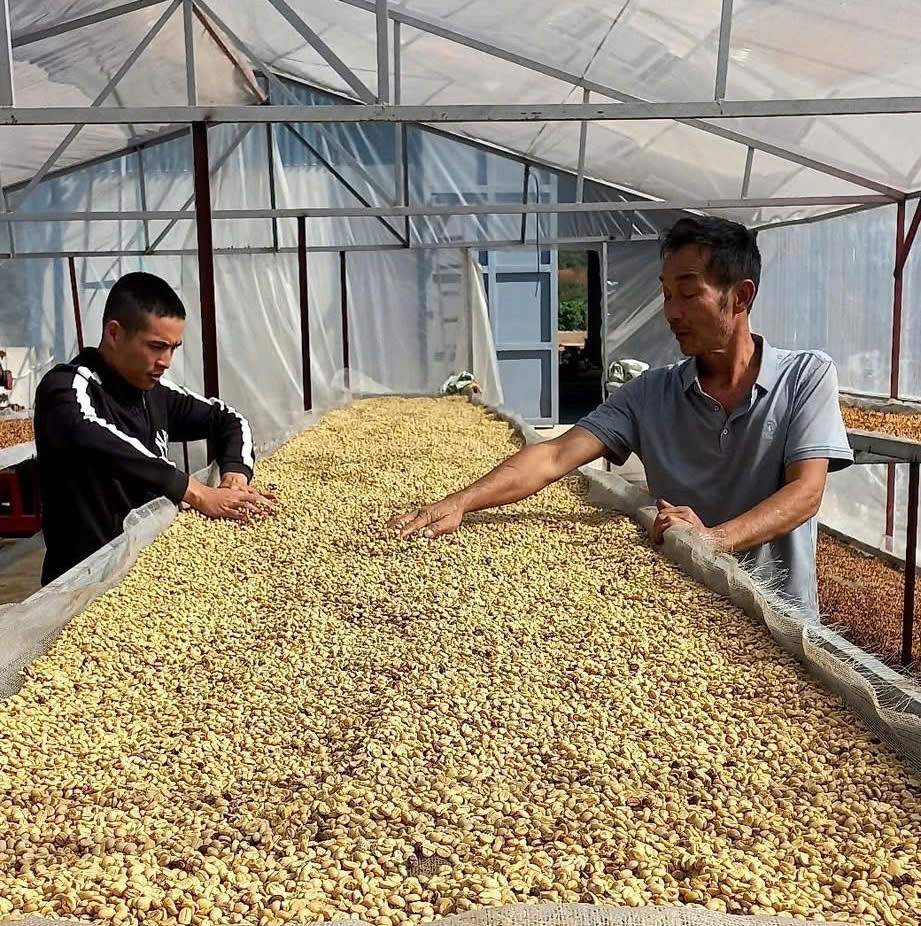 |
| Son La Arabica coffee beans are carefully sorted by quality after harvest. |
Director of Ara-Tay Coffee Cooperative, Ms. Cam Thi Mon said: "Instead of only selling coffee beans as before, Ara-Tay Coffee has chosen the direction of adding value by deep processing. The cooperative develops many product lines such as Natural green coffee, honey coffee, coffee powder and cascara tea. These efforts have brought positive results when Aratay Coffee products are recognized as 4-star OCOP, and at the same time, 3 products are recognized as Vietnamese specialty coffee in 2026."
Not stopping at production, Ara-Tay also promotes the application of digital technology in the management of raw material areas, attaching QR codes to traceability on each product. Consumers can easily access information about the growing area, production process, and journey of coffee beans before reaching customers.
By 2025, the cooperative will have consumed more than 80 tons of fresh coffee fruits, over 12 tons of green coffee beans and many products processed according to domestic orders and exported to Korea and Japan. Those successes show that Son La Arabica is no longer just a raw material supply area but is gradually affirming its position in the quality coffee segment high and specialty coffee.
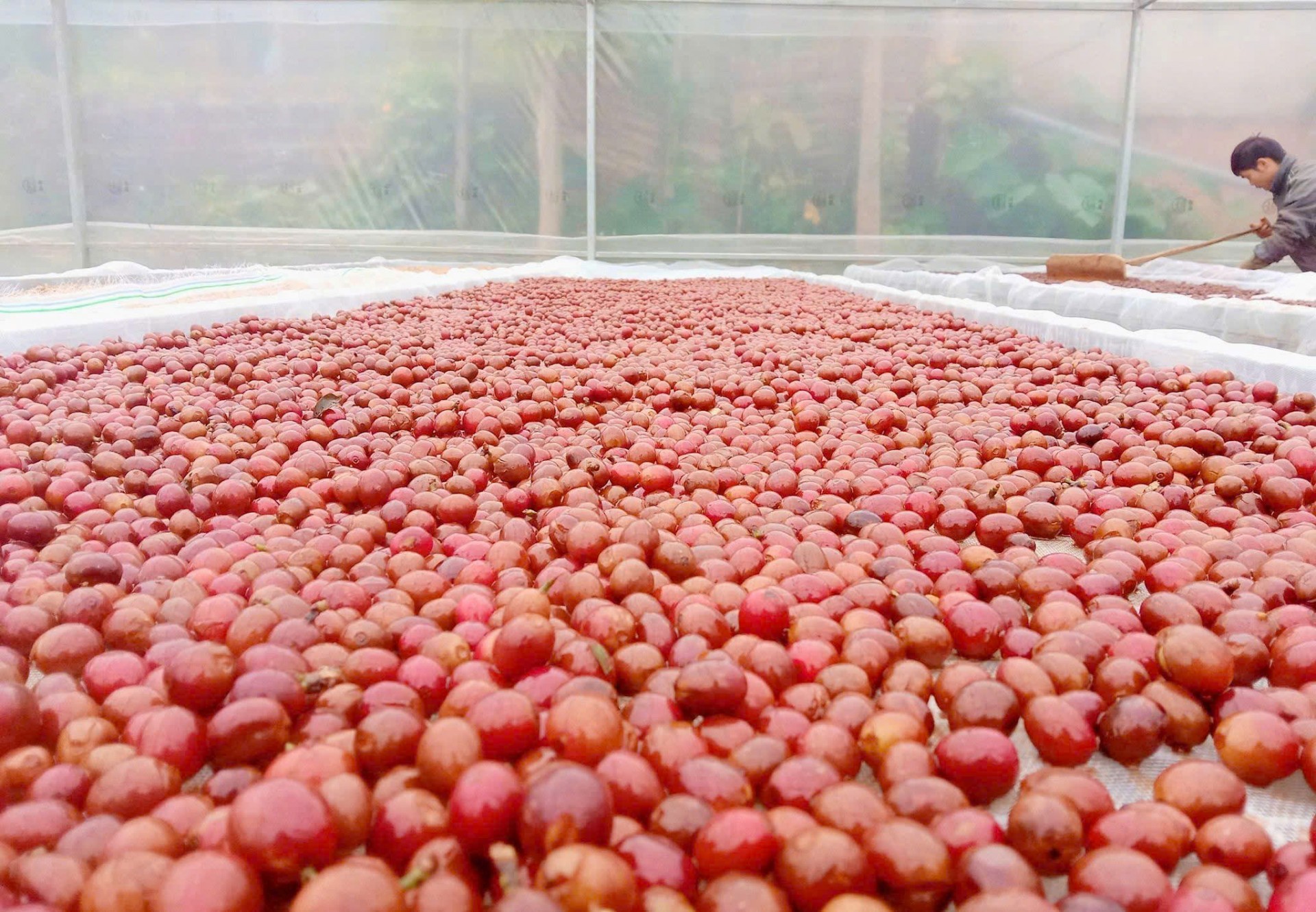 |
| The preliminary processing and refining of Son La Arabica coffee meet export standards. |
Creating an ecosystem for the Arabica Son La brand
The pioneering Arabica coffee cultivation models in Son La are gradually shaping the long-term development strategy for the entire coffee industry.
According to the orientation to 2030, the whole province of Son La maintains about 35,000 hectares of coffee; expanding the area of specialty coffee to nearly 6,000 hectares. Over 80% of the coffee area for harvesting has achieved sustainable certifications such as RA, 4C, GAP, organic and is granted a planting area code for traceability.
In addition, Son La aims to reduce greenhouse gas emissions in coffee production by at least 15%. Forming high-tech production areas associated with the development of experiential tourism, services and low-carbon economy.
To achieve this goal, one of the key tasks today is to replant old coffee areas with new varieties that are highly productive, of good quality and adaptable to climate change. At the same time, planting area data is being digitized to meet the increasingly stringent requirements of the international market, especially the European Union's Anti-Deforestation Regulation (EUDR).
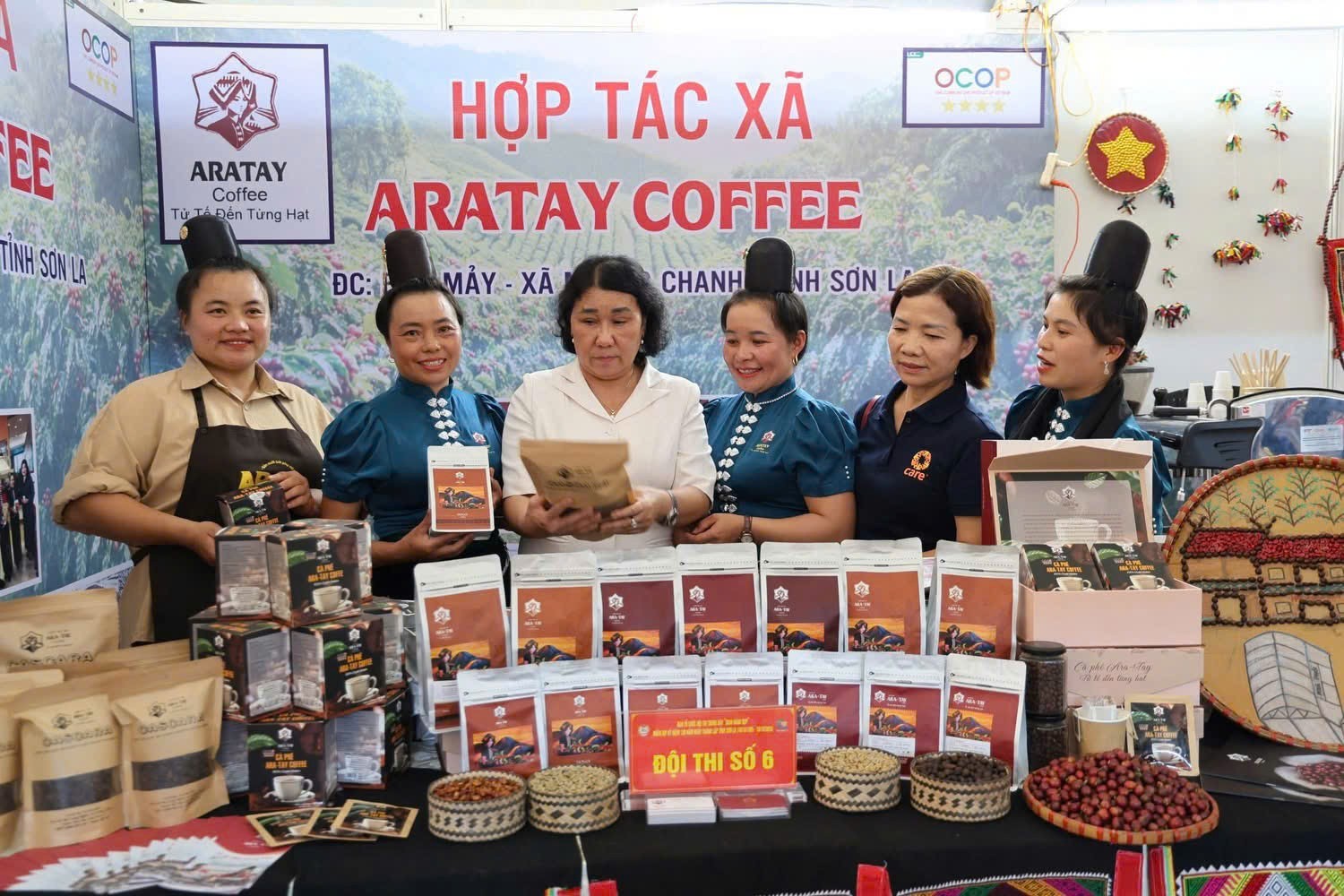 |
| Ara-Tay Coffee Cooperative accompanies farmers in developing specialty coffee. |
Chairman of Son La Coffee Association Vuong Van Hai said: "The current consumer trend is not only concerned about product quality but also requires transparency of origin, emission reduction and environmental protection. Therefore, building a sustainable raw material area, increasing the rate of deep processing and developing coffee in an ecological direction is an important solution to improve the value of the industry."
In the increasingly fierce competition of the global coffee industry, brands are not created from area or output, but from the sustainable values behind each coffee bean.
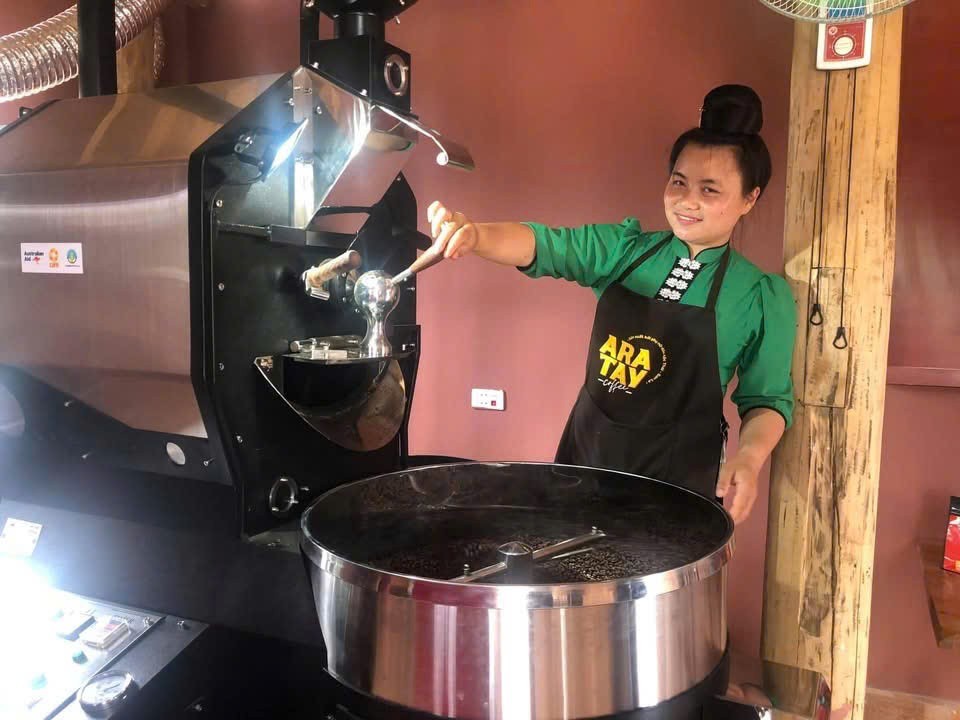 |
| Son La Arabica positions its brand based on quality and a green value chain. |
From green coffee plantations on the Na San plateau to specialty products conquering the international market, Son La is gradually positioning Arabica with quality, transparency and environmental responsibility. It is not only the direction of a commodity industry, but also a journey to raise the value of Northwest agricultural products in the flow of green and sustainable agriculture.
Tin mới hơn


Tin khác


