

From rustic food to high-value goods

Thanh Hoa has long been known as a land with a rich, rich and rich cuisine. Traditional dishes such as Ha Yen shrimp paste, Tu Tru thorn cake, Phu Quang lam tea, Phu Xuan rice vermicelli or Pu Luong lam rice have been attached to people's lives for many generations. However, in the past, the majority of these products were still produced manually, on a small scale, mainly consumed at local markets or serving family needs.
The change began when market demand was higher, consumers were more interested in quality, origin, and brand. In that context, the standardization of traditional dishes according to OCOP standards has become an inevitable direction. More than just improving production processes, OCOP actors must also invest in packaging, labeling, traceability, and building product stories - factors that were previously almost left open.
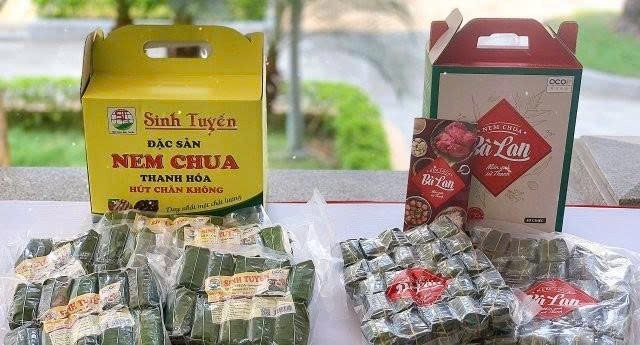 |
| Specialty products of Thanh Hoa such as Ha Yen shrimp paste, Tu Tru sesame cake, and Phu Quang che lam are being standardized in the direction of OCOP products. |
Keeping the traditional soul, raising market standards
Ai Village (Dinh Tan commune) is one of the typical places for this transformation process. The soy sauce making profession here has a long history, based on natural fermentation methods and heirloom know-how. Ai village soy sauce has a sweet taste and a characteristic aroma, but to create standard soy sauce jars, workers must strictly comply with the raw materials to the production process.
In the past, soy sauce was mainly made to serve family meals. But over time, as market demand increases, the product is gradually put on sale and becomes a stable source of income for many households. In recent years, in order to meet the requirements of food hygiene and safety, production households have actively used clean ingredients, improved processing processes, and focused on packaging design, labeling and traceability. As a result, Ai village soy sauce has been recognized as a 3-star OCOP product, gradually affirming its position in the market.
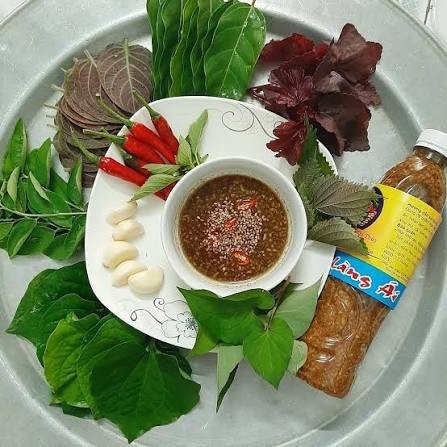 |
| Ai Village fermented soybean paste is produced using traditional fermentation methods, combined with a strict quality control process to meet market demands. |
A similar trend can be seen in the mountainous areas of Thanh Hoa, where bamboo shoots - which are a familiar food in ethnic minority life - are being "standardized" into commodity products. Products such as Nang Non dried bamboo shoots, Muong Ca Da bamboo shoots, Pieng Cu sour bamboo shoots or Muong Khang torn bamboo shoots not only retain their natural flavor, but are also processed and packaged according to safety standards.
In Bat Mot commune, Thuong Xuan district, people still keep the habit of going into the forest early in the morning to choose the best quality young bamboo shoot buds. But after that, they no longer stopped at manual processing as before, but combined modern drying, preservation and packaging techniques. In particular, many cooperatives have actively put products on e-commerce platforms and social networks to expand the consumption market. Achieving OCOP certification is not only a recognition of quality, but also a "ticket" to help products reach out to the locality.
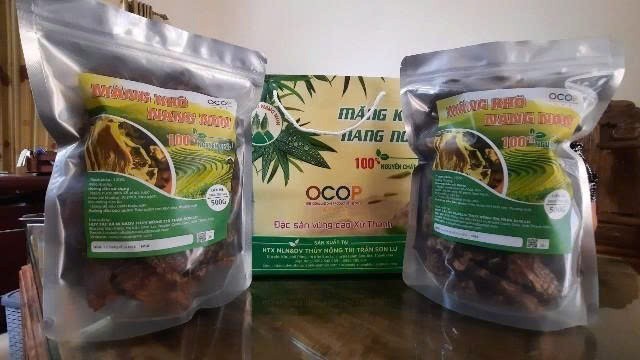 |
| Dried bamboo shoots, sour bamboo shoots, and various processed bamboo shoot products are becoming signature commodities of the mountainous areas in Thanh Hoa. |
Diversifying products, expanding value
Not only stopping at familiar products, Thanh Hoa also develops many OCOP specialties with regional characteristics. Four Pillars hemp cakes, the famous traditional cake have been improved in packaging, extending the storage time to be suitable for long-distance transportation. Phu Quang Blue Tea, with its aromatic soft flavor of molasses, ginger and roasted peanuts, has also been upgraded to become a gift product.
Phu Xuan rice vermicelli or vermicelli are also typical products that represent the trend of increasing value through deep processing and process standardization. Meanwhile, products associated with tourism such as Pu Luong lam rice are not only consumed on the spot but also packaged to serve tourists and the external market.
It is worth noting that many of Thanh Hoa's OCOP products have begun to appear in supermarkets and specialty stores in Hanoi, Hai Phong, Ho Chi Minh City. Ho Chi Minh City and gradually expanded to other provinces. This is an important shift from the local market to the inter-regional market.
The development process of OCOP in Thanh Hoa shows a fundamental change: traditional dishes no longer only have culinary value, but are becoming competitive goods.
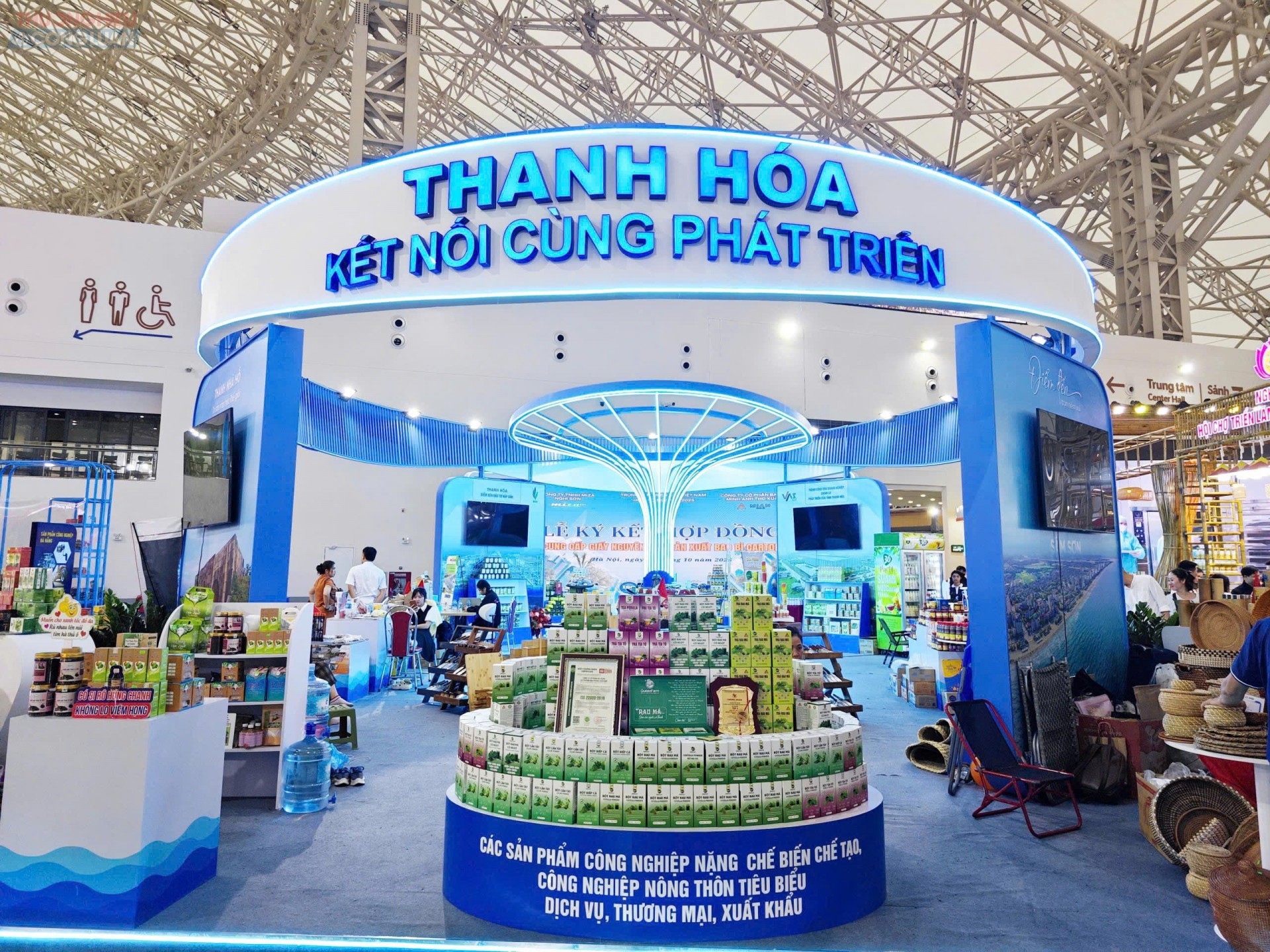 |
| Thanh Hoa OCOP products are displayed and introduced at trade promotion programs and consumption connection events. |
To do this, OCOP subjects are forced to change their mindset from "working to eat" to "working to sell", from small-scale production to standardized production. Tradition is still retained, but on that foundation, technology, markets, and brands are brought in to elevate value.
More importantly, each product is not only a commodity, but also a cultural story. When told correctly, that story becomes a differentiating factor, helping the product not to be mixed up in an increasingly competitive market.
Spreading value, expanding opportunities
From the initial steps, OCOP is opening up great opportunities for Thanh Hoa's localities to develop the rural economy in a sustainable way. When products are upgraded, the added value is higher, people's incomes are also improved, and at the same time contribute to preserving traditional crafts and cultural identity.
Not only stopping at the economy, this journey also has a deep cultural meaning: bringing the seemingly simple values of the Thanh country closer to the domestic and international markets.
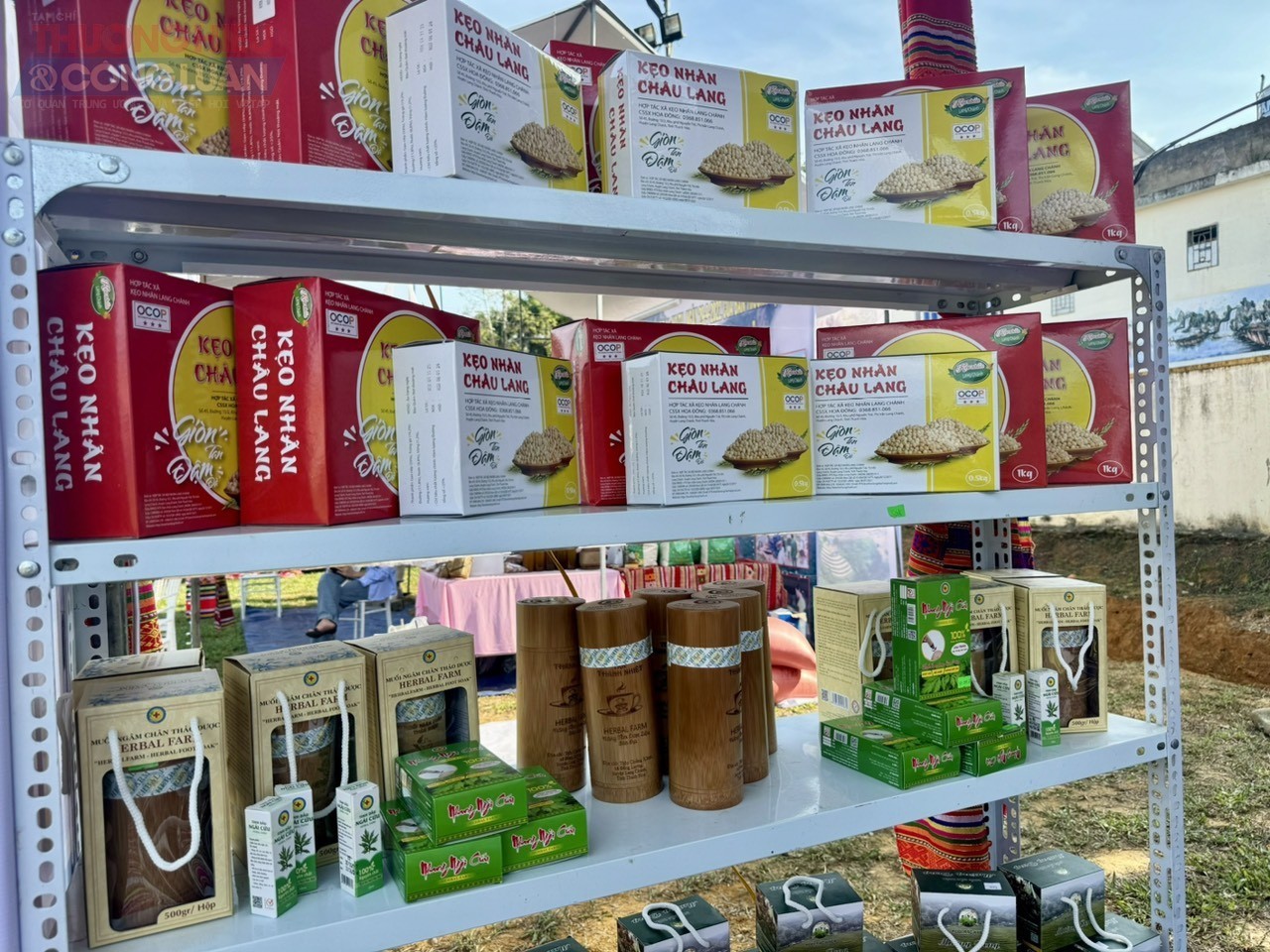 |
| From simple, everyday country meals, Thanh Hoa specialties are gradually transforming into high-value commercial products. |
Looking back at the journey of Thanh Hoa specialties, it is clear to see a trend: from simple dishes in the country kitchen, many products have gradually been standardized, commercialized and reached out to a large market.
It's not just a change in ways of doing things, it's a shift in a growth mindset—where each product is seen as an economic and cultural asset.
If they continue to be invested in the right direction, today's Thanh specialties will not only stop at the OCOP title, but can completely become culinary brands bearing Vietnam's imprint on the international market map.
Tin mới hơn


Tin khác


