

Ca Mau: Traditional professions that hold the soul of the earth at the end of heaven

In the midst of the transition of the modern economy, professions such as mat weaving, knitting, fish sauce making, bee guards, dried shrimp making or melon processing still exist quietly, carrying the memories of many generations, and opening up new directions in the journey of preserving and developing local values.
The professions that make up "Ca Mau identity"
Each traditional profession in Ca Mau is a slice that reflects the strong relationship between people and nature. There, the raw materials do not come from the production line, but from what nature itself has given: saffron trees, bamboo, shrimp, bees, or even trees that grow wild on the wetlands.
In the Tan Thanh region, mat weaving has existed for hundreds of years, creating products with their own imprint. After being dyed, the yarn and jute wire will be woven into flower mats with brilliant patterns, strong and durable over time. A Ca Mau mat carries the "smell" of the inland grassland, the slight aroma of the grass, the sun, and the idyllic working days.
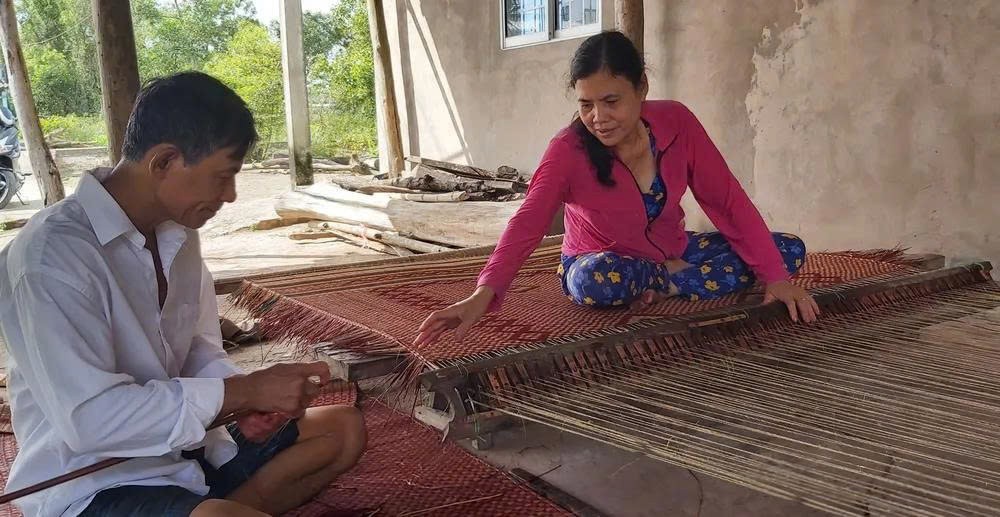 |
| The traditional mat-weaving craft in Ca Mau has been preserved through many generations, contributing to the preservation of local cultural identity. |
In areas such as Nguyen Phich or Bien Bach, the knitting profession has also developed for a long time. Bamboo, bamboo, rattan, hyacinth... Through the skillful hands of the worker, it becomes baskets, baskets or souvenirs for tourism. This profession is not only highly craftsmanlike, but also a lifelong "skill store", where each product has both functionality and its own aesthetics.
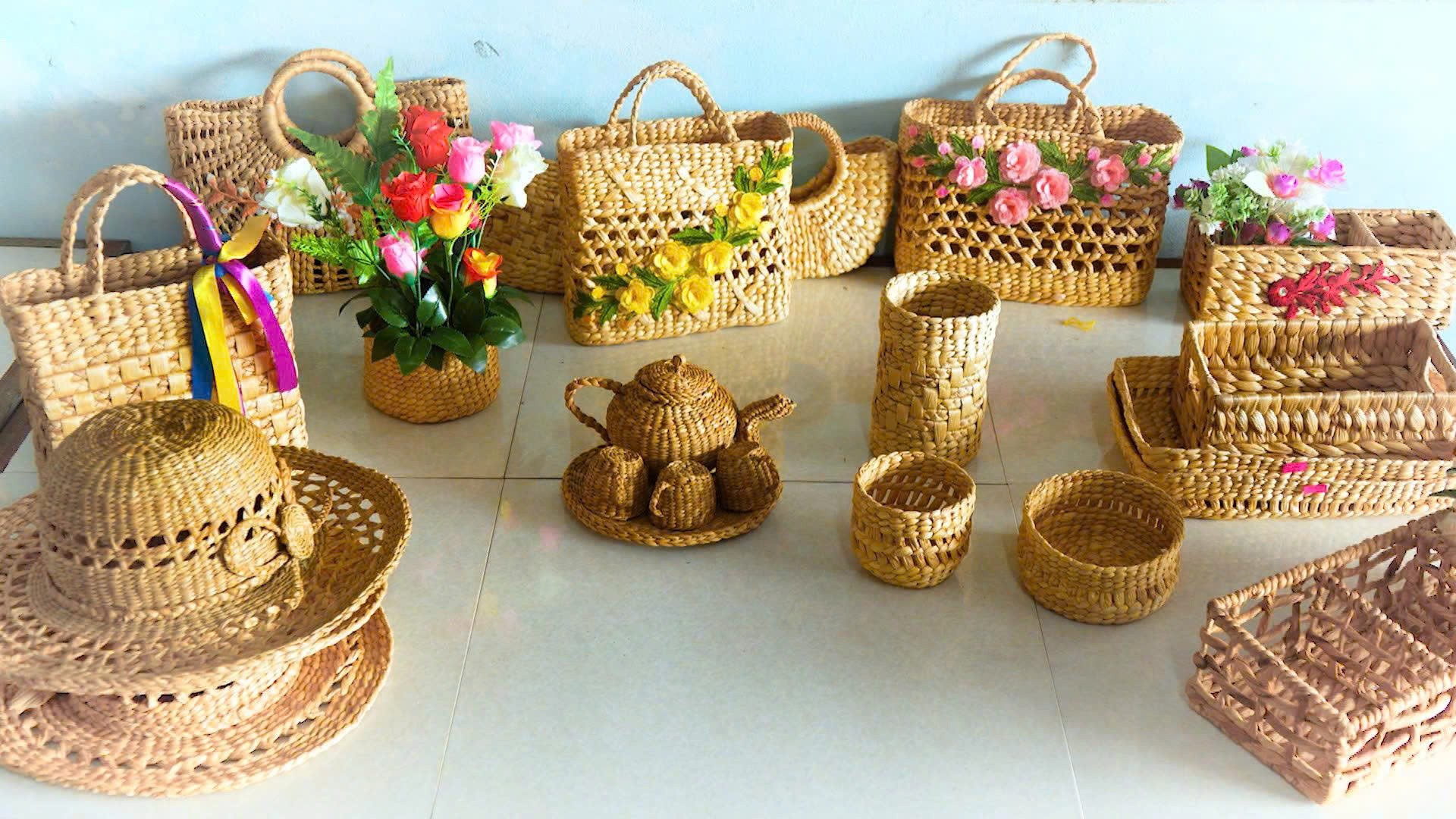 |
| Products woven from bamboo, rattan, and water hyacinth demonstrate the skillfulness of artisans in this land at the end of the country. |
Meanwhile, the fish sauce making profession clearly reflects the river life. From the abundant source of seafood, the Ca Mau people have created many types of fish sauce with characteristic flavors such as snakehead fish paste, choke fish, shrimp... but the most prominent is still Rach Goc three-knotted fish sauce. This is not only a dish, but the "quintessence" of the salty sea and brackish water, where each three-knotted fish carries the rich taste of the sea and the maturation time.
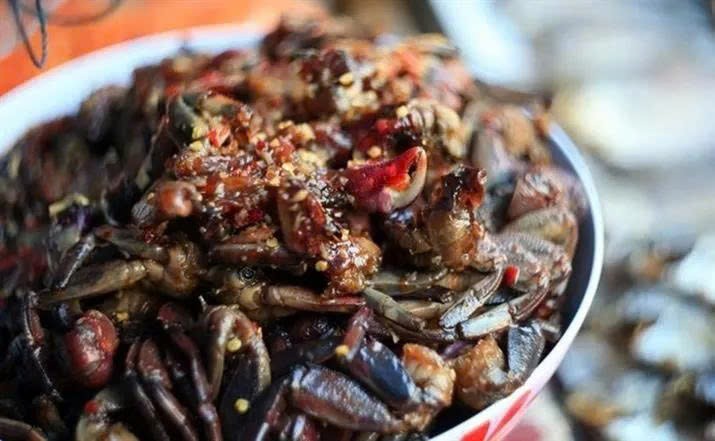 |
| Fermented three-striped fish sauce is one of the signature specialties that carries the distinctive flavor of Ca Mau's mangrove land. |
Livelihoods from forests, seas and folklore
If the craft villages along the river are associated with handicraft production, deep in the U Minh Ha melaleuca forest, another special profession still exists persistently: bee guards. This is one of the rare professions in which humans do not purely "produce", but mainly rely on understanding and interacting with nature.
Bee trusses made of melaleuca trees are placed by people in the forest, with the right distance and location to lure the bees to nest. When the melaleuca flower season blooms, the bees come back to suck the honey, forming large cakes. The person who goes to collect honey – also known as "eating bees" – must have experience, patience and respect for nature. They don't take all the honey, but leave a part for the bees to continue growing.
This is a valuable form of folk knowledge, reflecting how Ca Mau residents live in harmony and exploit resources in a sustainable way.
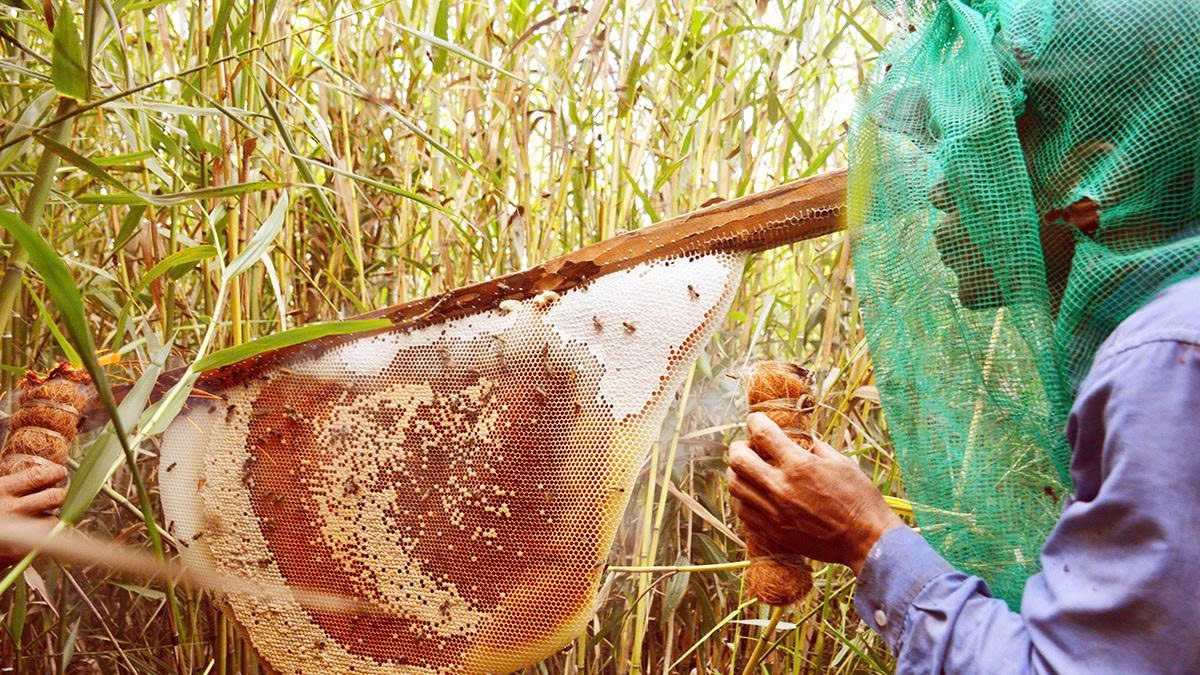 |
| The practice of hanging beehives under the canopy of U Minh Ha forest reflects indigenous knowledge in sustainable resource exploitation. |
Also with the color of "living by nature", but more popular, is the profession of making dried shrimp. Thanks to the abundant source of shrimp from the mangrove forest, this profession has formed and thrived, becoming one of the outstanding specialties of Ca Mau.
The processing process seems simple but requires meticulousness: the shrimp is boiled to the right degree, exposed to the sun many times and then peeled to retain the beautiful color and natural sweetness. Today, besides the manual method, many establishments have applied modern technology to improve productivity, but the traditional flavor is still the core factor that helps Ca Mau dried shrimp maintain its position in the market.
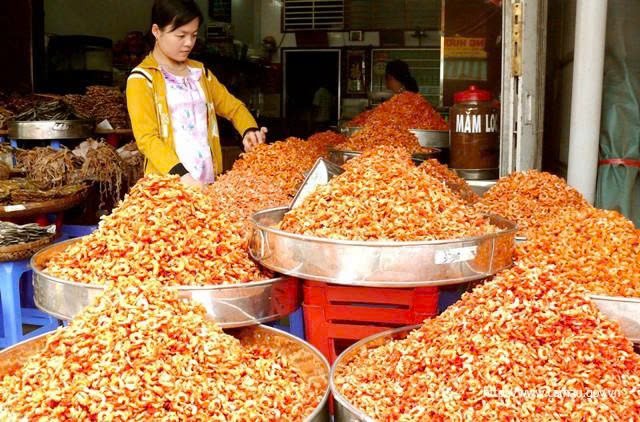 |
| Ca Mau dried shrimp is processed from natural ingredients and has become a famous local specialty. |
In another corner of life, tub plants, plants that grow wild in brackish waters, have become raw materials for a unique specialty, tub melons. From the crispy young stems, people process them into pickles with a cool taste, which can be served with many other dishes. From the food of the poor, watermelons gradually entered restaurants, becoming a sought-after specialty for many people.
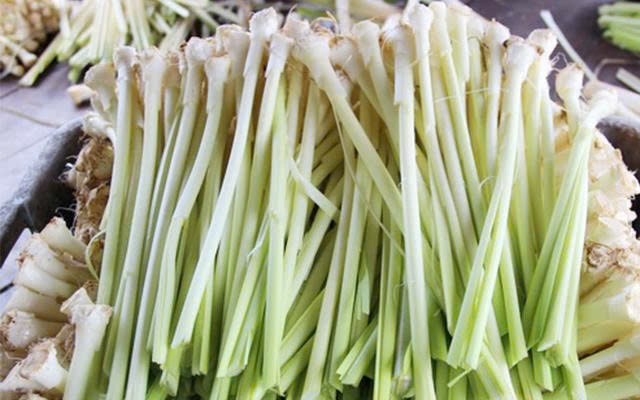 |
| Bamboo shoot pickle – a rustic dish made from wild rice stems – has now become a popular specialty loved by many tourists. |
Keeping the profession in the modern flow
Although still existing and developing, traditional craft villages in Ca Mau are also facing many challenges. The emergence of industrial products, especially cheap plastic goods, has caused the knitting profession to gradually shrink. Changes in the ecosystem also affect beekeepers and natural raw materials.
So how can the profession "live" in the modern economy?
Many localities have begun to find solutions by associating craft villages with tourism, commercializing products, or putting products on digital platforms. Bamboo baskets or mats are no longer just for use, but become souvenirs; Jars of fish sauce and dried shrimp packages are not only sold in the market, but also appear in supermarkets, tourist attractions, and even reach the market further away.
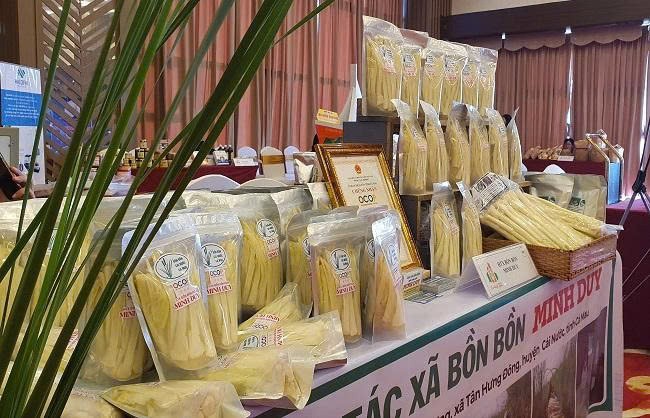 |
| Many craft villages in Ca Mau are combining tourism development with enhancing product value in a modern direction. |
More importantly, the development of products according to OCOP standards is opening up a new direction. When standardized in terms of quality, packaging and branding, craft village products are no longer limited to the local space, but can participate in the wider market.
Traditional craft - the "soul" of Ca Mau land
Looking at the picture of Ca Mau traditional craft villages, one thing can be clearly seen: this is not only the story of the economy, but the story of culture and identity!
From mats woven from squash, bamboo baskets, rich three-knotted fish sauce jars, to drops of wild honey or dried shrimp dried in the sun... all are the result of a long-term adaptation between humans and nature.
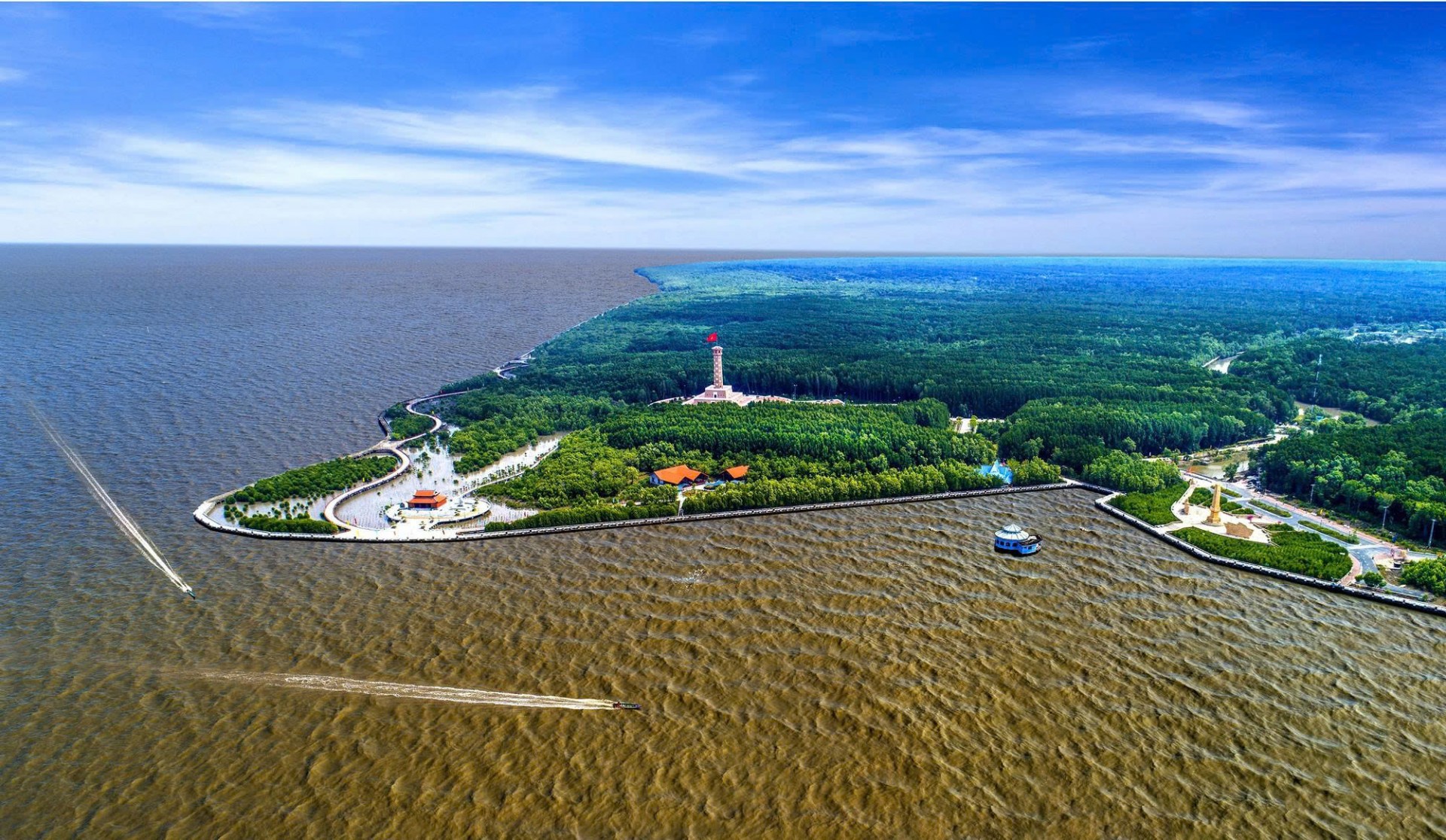 |
| Traditional crafts continue to preserve cultural identity and create sustainable livelihoods for the people of Ca Mau. |
In the flow of the times, these professions may change, but the core values remain: ingenuity, sophistication, and the ability to create value from the simplest things.
And that is what makes Ca Mau enduring vitality — the land is not only at the end of the map, but also at the "end" of stories about people, nature and traditional crafts
Tin mới hơn


Tin khác


