'Garden of Eden' in the middle of Moc Chau Plateau

OVN - Among the familiar destinations of Moc Chau (Son La) tourism such as Bach Long glass bridge, Dai Yem waterfall or Vat Hong pagoda relic, some tourists choose to stop at experiential farm models. Here, instead of visiting large-scale works, visitors have more options to walk in the farming space, learn how to grow crops and enjoy agricultural products in the garden.

One of the points that has been mentioned recently is Bon Bon Farm, belonging to the Bon Bon Agricultural Tourism Cooperative. The model of combining agricultural production and experiential tourism is being developed by the cooperative as a new direction in Moc Chau ward.

'Garden of Eden' in the middle of Moc Chau Plateau
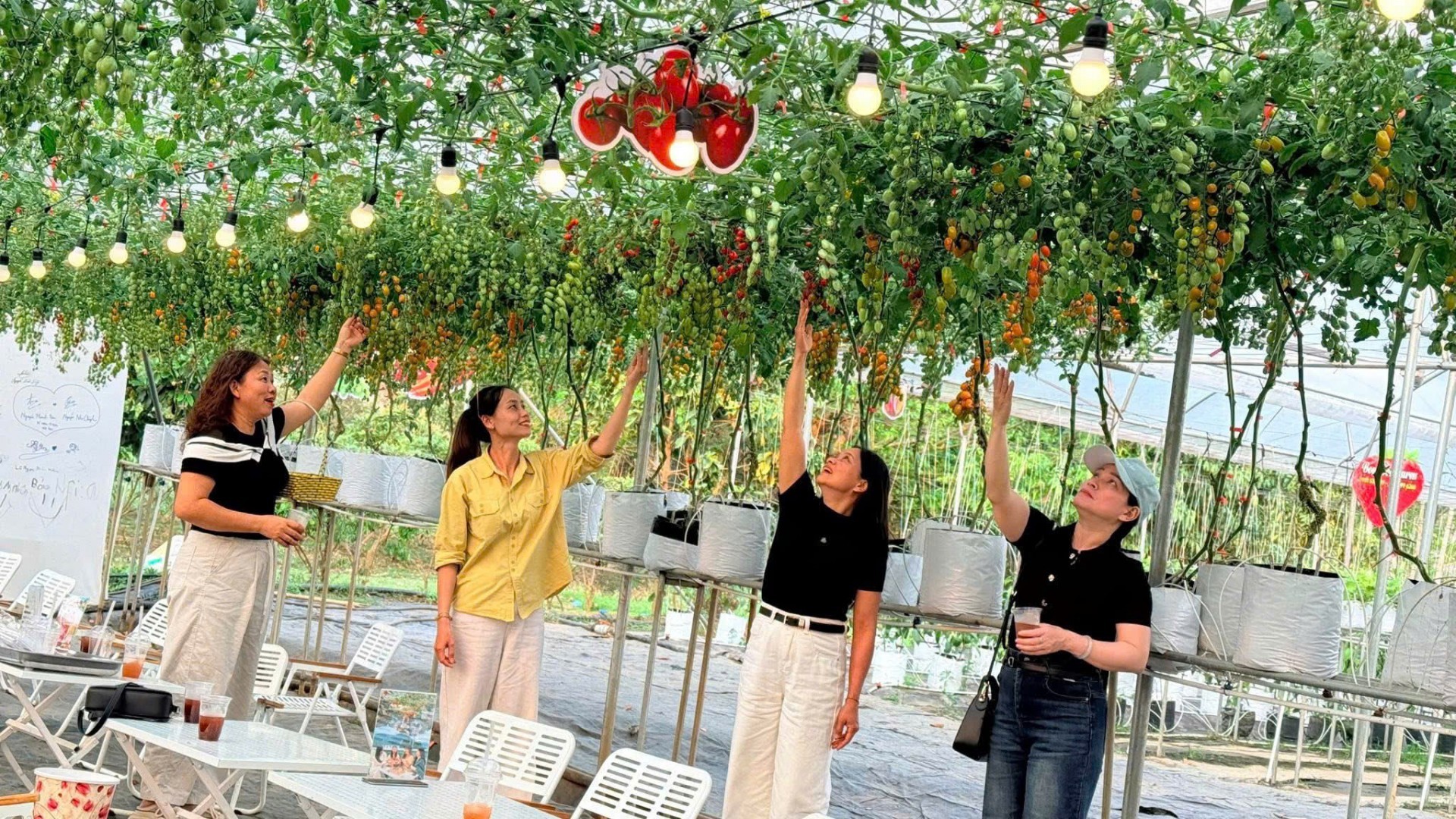
Bon Bon Farm offers visitors an immersive agricultural tourism experience in the heart of Moc Chau Plateau.

Green space and farm experience

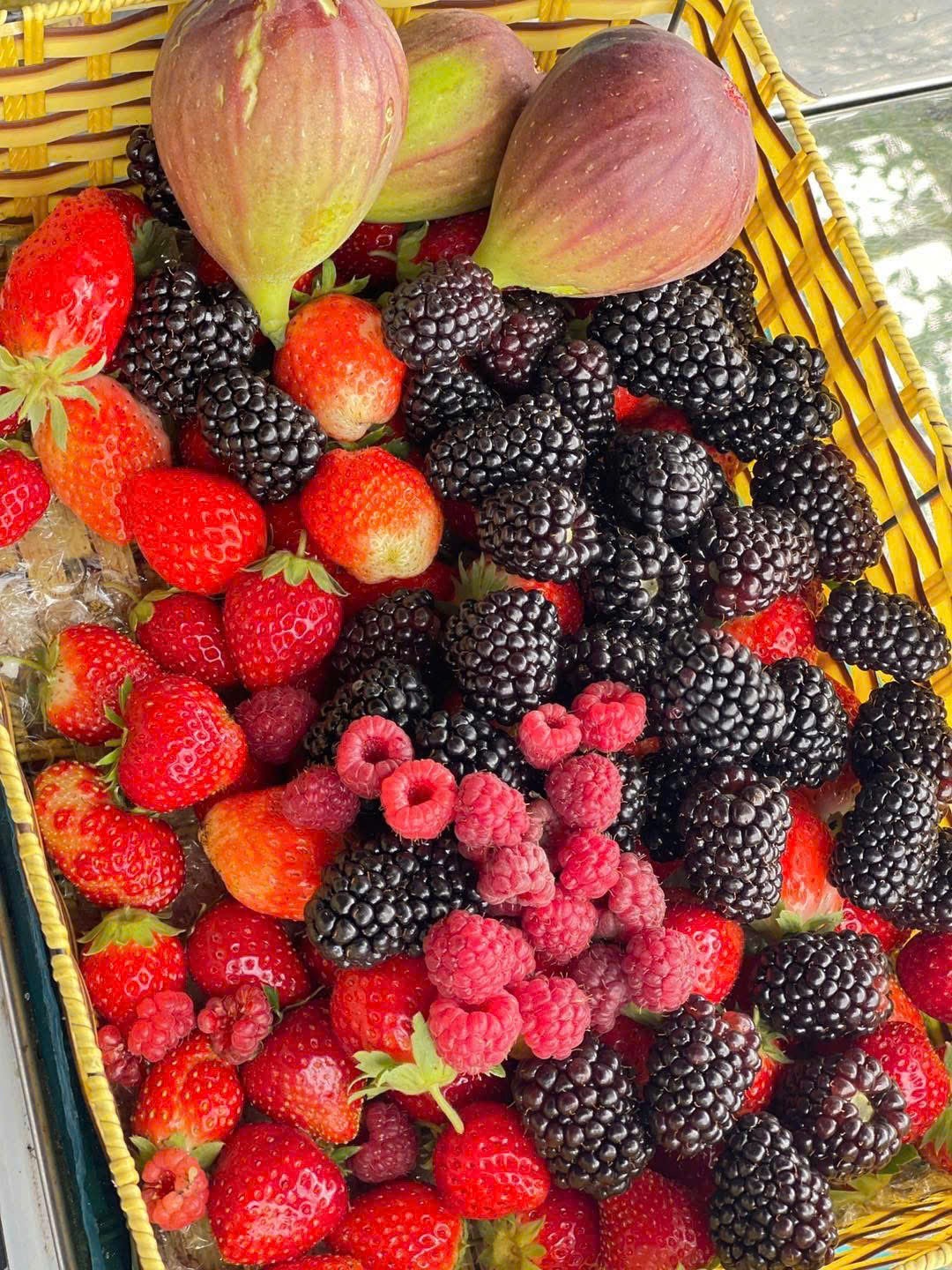
On an area of more than 4 hectares, Bon Bon Farm arranges many areas for growing fruit trees and greenhouses. Walking on the farm, visitors can encounter trees and fruits that are planted and expanded according to local climatic conditions: raspberries, American figs with many varieties, peony grapes, yellow – purple – Colombian passion fruit varieties... Interspersed are seasonal plant beds and some large-sized pumpkins.

The strawberry greenhouse area is a place that often attracts the attention of visitors. The cooperative introduced that it is planting a number of strawberry varieties such as Hana (Japan), King Berry (Korea), Snow White strawberry, Sky, Oishii... According to the experiential model, visitors can pick the fruit by themselves, listen to the introduction of each variety, how to recognize ripeness and some safety care principles.

In this space, Mr. Lai Tuan Viet, manager of Bon Bon Farm, inspects the plant beds and talks with guests about the farm's operations. Mr. Viet said:

"We don't want to build a farm where tourists just walk by, take a few photos and leave. Bon Bon Farm aims to let guests pick fruits with their own hands, enjoy clean agricultural products right in the garden and understand more about how farmers make each product. Therefore, the farm prioritizes the development of tree varieties suitable for Moc Chau's climatic conditions, and at the same time pursues the direction of green and safe farming."
'Garden of Eden' in the middle of Moc Chau Plateau
Visitors explore greenhouses featuring strawberries, figs, raspberries, grapes and other fruit varieties cultivated at Bon Bon Farm.

From agricultural production to multi-value model

The remarkable point of Bon Bon Farm is not only in the list of crops, but also in the way the cooperative organizes activities in the direction of "multi-value": both producing agricultural products, building experiences, and training skills for employees to meet service jobs.

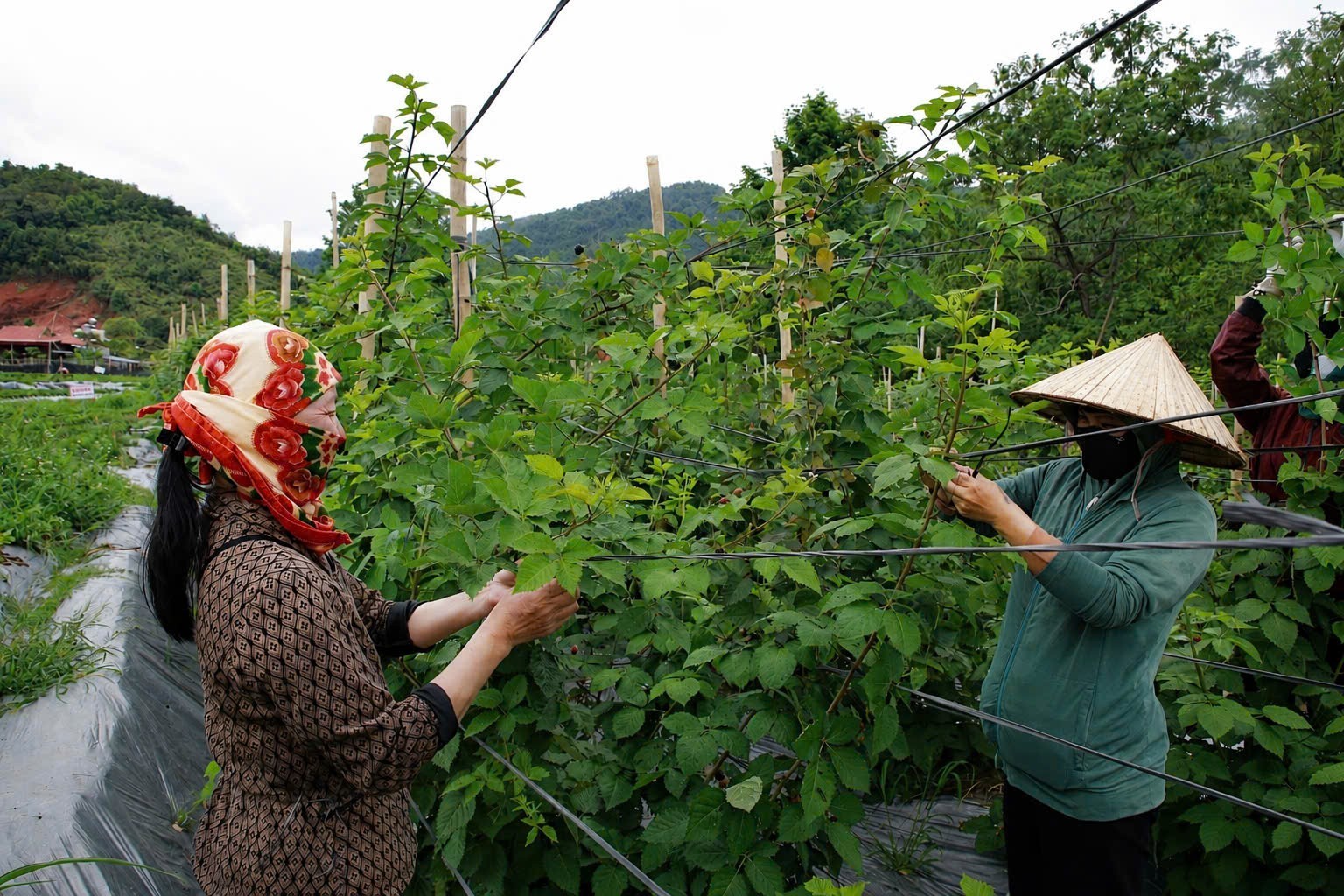
At the farm, workers are further instructed in communication, product introduction and visitor support. Each employee, as the cooperative calls it, takes on the role of a "farm introducer", able to give a basic presentation on the origin of the seeds, growing conditions and how to take care of them according to the process that the unit is applying.

Bon Bon Farm currently creates regular jobs for about 20 local workers, with an income ranging from 6-8 million VND/person/month. Ms. Lo Thi Vinh (a resident of Vat Hong street, Moc Chau ward) shared: "In the past, I mainly farmed by experience, so my income was also precarious. Since working at Bon Bon Farm, I have had a more stable job, learned how to take care of plants methodically and practiced more communication skills with tourists. At first, I was afraid to talk to customers, but now I am confident in introducing the plants, planting methods and products of the farm."
'Garden of Eden' in the middle of Moc Chau Plateau
Local workers receive training in farming techniques, product presentation and visitor services at Bon Bon Farm.

According to the introduction of the cooperative, the entire farm is applying the direction of green farming, using organic fertilizers such as fish protein, banana juice and some probiotics. This method is expected by the unit to contribute to creating peace of mind for guests when experiencing eating fruit in the garden.

Ms. Nguyen Thi Thuy Duong, a tourist from Phu Tho, said after the experience with her family: "What I like is the feeling of relaxation and closeness. Children can pick fruits with their own hands and learn how to take care of the tree. I was also surprised because in Moc Chau there are many new varieties, which are quite well cared for. Fruits eaten right in the garden are fresh and natural, my family likes it."

In Moc Chau – a place that is used to products such as tea, plums... The emergence of experiential farming models suggests a different approach: not just selling raw agricultural products, but adding value through services, stories and experiences.

Chairwoman of Moc Chau Ward People's Committee, Ms. Nguyen Thi Hoa, commented: "The model of Bon Bon Agricultural Tourism Cooperative is a bright spot in transforming thinking from pure agricultural production to multi-value agricultural economic development. This is a direction to link economic development with environmental protection, and at the same time contribute to promoting the image of people and identity of Moc Chau. The ward encourages and creates conditions to replicate the model in the area."
'Garden of Eden' in the middle of Moc Chau Plateau
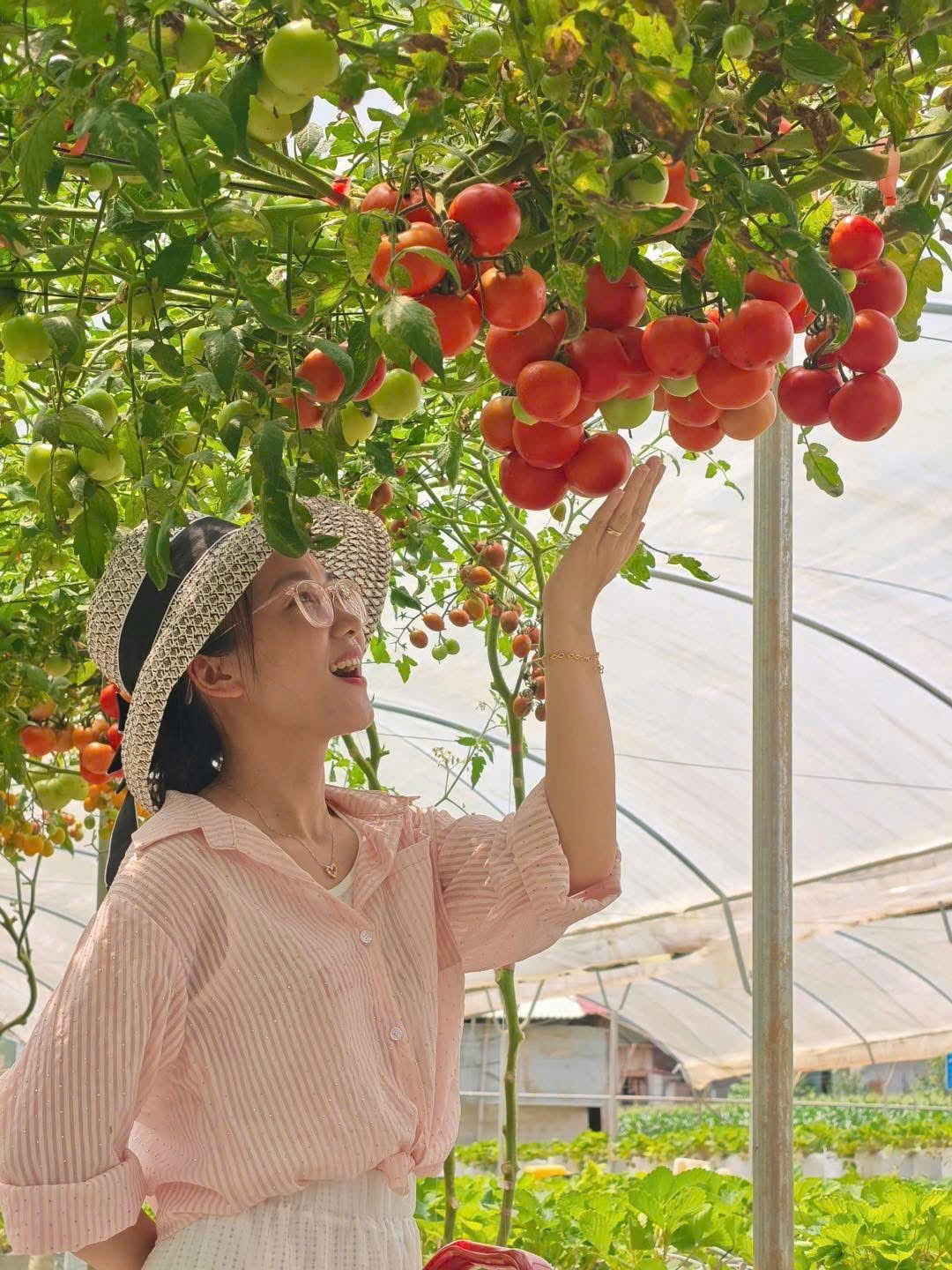
Visitors enjoy fruit picking and hands-on farm activities, reflecting the growing appeal of agricultural tourism in Moc Chau.

As noted, Bon Bon Farm is also a destination chosen by a number of delegations and visiting groups in activities to learn about the agricultural model associated with tourism. In the coming time, the cooperative said that it will continue to invest in improving the quality of experiential services, increasing promotion activities – connecting tours, and at the same time researching and supplementing suitable plant varieties to extend the season and diversify products.

The goal of the unit, according to shared, is not only to consume agricultural products on the spot, but also to allow tourists to come to Moc Chau at many times of the year to still have experiential activities associated with orchards and fruit seasons.

Lan Huong

Tin liên quan

Tin mới hơn

Tra Bong cinnamon flavor - gently spreading, elevating the 4-star OCOP product
OVN - From the mountainous region of Tra Bong (Quang Ngai), where the scent of cinnamon creeps into every way of life, the rustic cinnamon incense sticks are quietly reaching out, carrying the story of identity, preservation and aspiration for sustainable development of the highland people.
'Garden of Eden' in the middle of Moc Chau Plateau
OVN - Among the familiar destinations of Moc Chau (Son La) tourism such as Bach Long glass bridge, Dai Yem waterfall or Vat Hong pagoda relic, some tourists choose to stop at experiential farm models. Here, instead of visiting large-scale works, visitors have more options to walk in the farming space, learn how to grow crops and enjoy agricultural products in the garden.

Tin khác

Creating livelihoods for indigenous women from... Loofah
OVN - In the Cao Son mountains, when the melon season passes, on the wooden fences and the eaves of stilt houses, there are often a few dried old melons left. For many years, people have only kept it for breeding, or stripped the fibers to wash dishes. No one thought that this rough material would one day become an art painting, a handbag or a souvenir for tourists.
Vuong Family Mansion: Legend in the Stone Plateau
OVN - The summer sun spilled over into the Sa Phin valley in the old Ha Giang province (now Tuyen Quang province), covering the yin and yang tile roofs that had faded over time.
Ca Mau: Traditional professions that hold the soul of the earth at the end of heaven
OVN - At the bottom of the map of Vietnam, where the land touches the sea and the melaleuca forest embraces the salty, sweet rivers, Ca Mau is not only known for its special ecosystem, but also for the traditional craft villages that have formed, existed and developed with the history of exploitation of this land.
From rustic food to high-value goods
OVN - From rustic dishes attached to people's daily meals, many specialties of Thanh Hoa such as shrimp paste, Ai village sauce, bamboo shoots, thorn cakes or lam tea... are gradually stepping out of the village space to become high-value commodity products.
Arabica Son La: Building a coffee brand from the green value chain
OVN - From the largest raw material area in the country, Son La Arabica is entering a new stage of development. In the global trend of sustainable consumption, product provenance and environmental responsibility, coffee brands are no longer determined by taste alone, but also by the story behind each coffee bean. Therefore, Son La is choosing the path of building a brand from the green value chain.
Cu do Ha Tinh - When molasses, lac rang tells the story of the village
OVN - In the midst of the sunny and windy Central region, where the land is harsh but the people are rich in energy and sophistication, Cu Do candy was born as a testament to the way Ha Tinh people distill each simple ingredient to create an unmistakable taste. From a rustic hometown gift, today's cu do is stepping out of the village space, becoming an OCOP product with bold cultural imprints and clear economic potential.
Thai people in Dien Bien keep the culinary soul with OCOP products
OVN - From the simple ingredients of the mountains and forests of the Northwest, the Thai people in Dien Bien have created dishes with their own flavors that cannot be mixed. Over time, specialties that were only present in family meals have now been standardized, branded and put on the OCOP "passport". It is not only a story of raising the level of local products, but also a journey to bring national cultural identity to a wider market.
10,000 hands connected: A Vietnamese record from the heart of the Northwest
In the middle of the first days of the new year, by the deep blue Da Giang river, Muong Lay burst into a bustling summer festival atmosphere. The hands clenched together, the endlessly extended circles like the flow of culture never rested. It is not only a record, but a declaration of the solidarity of 19 ethnic groups on the land of Dien Bien.
Sung village: Weaving brocade, weaving livelihoods for Dao Tien women
OVN - In Sung hamlet, Cao Son commune, Dao Tien brocade sheets are not only a cultural identity but also a stable source of livelihood for 12 women, including people with disabilities and difficult circumstances. From a traditional profession that once faced the risk of death, the Dao Tien brocade cooperative group (THT) has been "revived" thanks to its association with community tourism, bringing in hundreds of millions of VND in revenue per year.
Hoa dã quỳ Điện Biên: Tiềm năng OCOP từ mỏ vàng chưa được khai phá
OVN - Những triền đồi Điện Biên khoác lên mình sắc vàng rực rỡ của hoa dã quỳ. Vẻ đẹp thiên nhiên ấy không chỉ dừng lại ở ngắm nhìn, mà đang mở ra cơ hội lớn để Điện Biên phát triển chuỗi sản phẩm OCOP từ du lịch cộng đồng, sản phẩm chế biến đến dịch vụ trải nghiệm.
Công nghệ cao: Cuộc đại chuyển mình của nông nghiệp Sơn La
OVN - Không còn là những mùa vụ phụ thuộc hoàn toàn vào nắng mưa, nông nghiệp Sơn La đang vận hành bằng nhà màng, dây chuyền chế biến và các quy trình kỹ thuật chuẩn hóa. Hành trình chuyển mình từ canh tác truyền thống sang sản xuất ứng dụng công nghệ cao gắn với công nghiệp chế biến đã tạo nên một diện mạo hoàn toàn mới cho kinh tế nông nghiệp nơi đây. Sự chuyển mình ấy không đến trong một sớm một chiều. Nó bắt đầu từ những chủ trương lớn, từ các nghị quyết được cụ thể hóa bằng quy hoạch, cơ chế và nguồn lực. Khi chính sách mở đường, công nghệ đã có lối để đi vào ruộng đồng.
Phú Thọ: Khi hợp tác xã “lên đời” nhờ số hoá
Trong dòng chảy của kinh tế số, chuyển đổi số không còn là câu chuyện dành riêng cho doanh nghiệp lớn. Ở khu vực nông thôn, nhiều hợp tác xã nông nghiệp tại Phú Thọ đang cho thấy khi tư duy thay đổi, công nghệ có thể trở thành đòn bẩy giúp mô hình sản xuất truyền thống bứt phá mạnh mẽ.
OCOP Lào Cai chuyển mình với tư duy xanh và thương mại số
Không còn dừng ở câu chuyện “mỗi xã một sản phẩm”, Lào Cai đang đặt tham vọng lớn hơn cho chương trình OCOP: biến nông sản bản địa thành hàng hóa có sức cạnh tranh bằng tư duy xanh, công nghệ số và chuỗi giá trị bền vững. Từ những vùng chè trên núi cao, những cơ sở chế biến dược liệu, mật ong, miến đao hay thổ cẩm của đồng bào dân tộc… tất cả đang được đưa lên sàn thương mại điện tử, truy xuất nguồn gốc bằng mã số, mã vạch và bước vào cuộc chơi mới của thị trường hiện đại.
Cánh đồng ‘lên sóng’: Điện Biên đưa nông sản bản địa lên ‘chợ số’
Giữa cái nắng đầu hè phủ lên cánh đồng ở xã Thanh An (Điện Biên), những ruộng khoai vừa vào vụ thu hoạch bỗng trở thành nơi diễn ra một “phiên chợ số” đặc biệt. Xen giữa màu đất đỏ và những sọt nông sản mới nhổ là ánh đèn livestream, tiếng chào bán hàng rộn ràng cùng sự xuất hiện của các TikToker, KOL, KOC nổi tiếng. Lần đầu tiên, những người nông dân vốn quen với ruộng đồng, cuốc xẻng lại cùng các nhà sáng tạo nội dung đứng chung một khung hình để kể câu chuyện về nông sản Điện Biên theo cách hoàn toàn mới.
Chương trình OCOP Quảng Trị thúc đẩy phát triển nông thôn
LVN - Sau 6 năm, thực hiện chương trình mỗi xã một sản phẩm (OCOP) tỉnh Quảng Trị có 372 sản phẩm, nâng cao chất lượng, mở rộng thị trường trong và ngoài nước thúc đẩy xây dựng nông thôn mới.
Tin mới Đọc nhiều
Giao diện di động