

Huong Tich Apricot Wine

15:00 | 28/10/2021
OVN- Huong Tich Apricot Wine has been existed for a long time as a regional specialty that has been originated from the nature of Huong Son. Through ups and downs, and becomes a famous traditional specialties that cannot be found anywhere else.
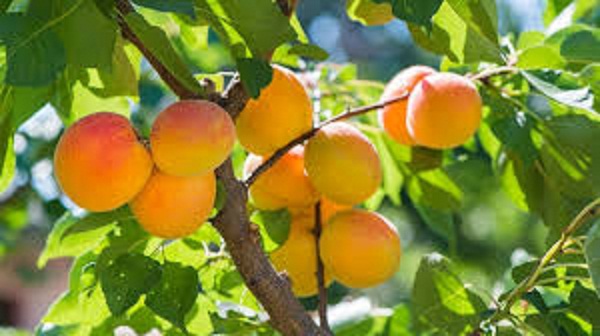
Illustrated image
Grown on a special soil on lime-stone mountains, the apricot forest of Huong Tem- ple have produced special juicy fruits which are famous across the Northern region for their big size, very fine sour tastes, and small seeds.
The trees in the East are believed to be ex- posed to the sun, thus the fruits are so abundant , juicy, and nicely fragrant. This is also one of the reasons that explain why there are different tastes of apricot wines made from the fruits in different areas.
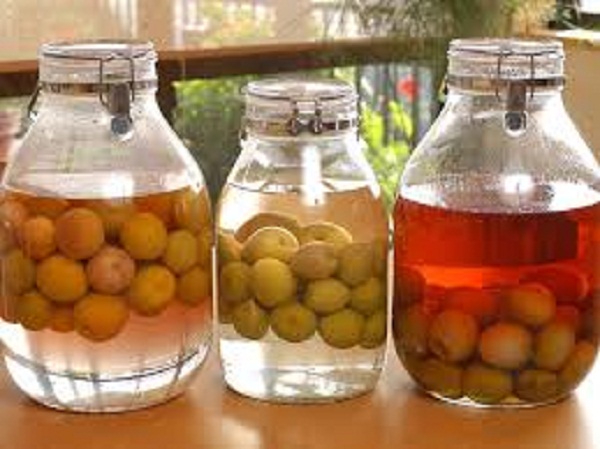
Carefully selected wine-soaked dreams (Illustrated image)
Huong Tich Apricot Wine has a light aroma, somehow sweet, tart and bitter. It is also considered as a kind of the more valuable the wine are. Apricot Wine is healthy alcoholic medicine, the longer the soaking of the fruits, as it helps improve digestive health, better appetite, the traditional apricot wine production is still preserved duce stress and cure insomnia.
Through ups and downs, and becomes a famous traditional specialties that cannot be found anywhere else.
Tin mới hơn

Through a strategic cooperation mechanism with international distribution groups, Cao Bang province is drastically standardizing the area of indigenous spices and medicinal materials. The application of the most stringent organic standards globally paves the way for highland agricultural products to penetrate deep into the billion-dollar supply chain of the European (EU) market.

Exploiting diverse vegetation in natural forests in Bach Dang commune (Cao Bang province), Binh Duong Natural Flower Honey products have successfully transformed from a distributed harvesting method to a value chain organization model. 3-star OCOP certification paves the way to bring indigenous specialties to professional distribution channels.

ocopvietnam - In the midst of the vast melaleuca forests of U Minh Thuong (Kien Giang), the profession of bee guard has existed for many generations as a way for people to live in harmony with nature. From the drops of honey distilled in the middle of the melaleuca season, the people here are gradually elevating indigenous products into OCOP products, both creating sustainable livelihoods and contributing to preserving the typical wetland ecosystem of the South.

OVN - In the midst of the peaceful An Nhon Tay region, where the red soil is sunny and windy embracing the memories of many generations, Bau Da wine village appears as a unique cultural slice. There, every drop of wine is not only a drink, but a crystallization of earth, water, fire and lifelong secrets, encapsulating the soul of the countryside in a spicy taste that is rare anywhere else.

OVN - From the mountainous region of Tra Bong (Quang Ngai), where the scent of cinnamon creeps into every way of life, the rustic cinnamon incense sticks are quietly reaching out, carrying the story of identity, preservation and aspiration for sustainable development of the highland people.

OVN - Among the familiar destinations of Moc Chau (Son La) tourism such as Bach Long glass bridge, Dai Yem waterfall or Vat Hong pagoda relic, some tourists choose to stop at experiential farm models. Here, instead of visiting large-scale works, visitors have more options to walk in the farming space, learn how to grow crops and enjoy agricultural products in the garden.
Tin khác

OVN - In the Cao Son mountains, when the melon season passes, on the wooden fences and the eaves of stilt houses, there are often a few dried old melons left. For many years, people have only kept it for breeding, or stripped the fibers to wash dishes. No one thought that this rough material would one day become an art painting, a handbag or a souvenir for tourists.

OVN - The summer sun spilled over into the Sa Phin valley in the old Ha Giang province (now Tuyen Quang province), covering the yin and yang tile roofs that had faded over time.

OVN - At the bottom of the map of Vietnam, where the land touches the sea and the melaleuca forest embraces the salty, sweet rivers, Ca Mau is not only known for its special ecosystem, but also for the traditional craft villages that have formed, existed and developed with the history of exploitation of this land.

OVN - From rustic dishes attached to people's daily meals, many specialties of Thanh Hoa such as shrimp paste, Ai village sauce, bamboo shoots, thorn cakes or lam tea... are gradually stepping out of the village space to become high-value commodity products.

OVN - From the largest raw material area in the country, Son La Arabica is entering a new stage of development. In the global trend of sustainable consumption, product provenance and environmental responsibility, coffee brands are no longer determined by taste alone, but also by the story behind each coffee bean. Therefore, Son La is choosing the path of building a brand from the green value chain.

OVN - In the midst of the sunny and windy Central region, where the land is harsh but the people are rich in energy and sophistication, Cu Do candy was born as a testament to the way Ha Tinh people distill each simple ingredient to create an unmistakable taste. From a rustic hometown gift, today's cu do is stepping out of the village space, becoming an OCOP product with bold cultural imprints and clear economic potential.

OVN - From the simple ingredients of the mountains and forests of the Northwest, the Thai people in Dien Bien have created dishes with their own flavors that cannot be mixed. Over time, specialties that were only present in family meals have now been standardized, branded and put on the OCOP "passport". It is not only a story of raising the level of local products, but also a journey to bring national cultural identity to a wider market.

In the middle of the first days of the new year, by the deep blue Da Giang river, Muong Lay burst into a bustling summer festival atmosphere. The hands clenched together, the endlessly extended circles like the flow of culture never rested. It is not only a record, but a declaration of the solidarity of 19 ethnic groups on the land of Dien Bien.

OVN - In Sung hamlet, Cao Son commune, Dao Tien brocade sheets are not only a cultural identity but also a stable source of livelihood for 12 women, including people with disabilities and difficult circumstances. From a traditional profession that once faced the risk of death, the Dao Tien brocade cooperative group (THT) has been "revived" thanks to its association with community tourism, bringing in hundreds of millions of VND in revenue per year.

OVN - Những triền đồi Điện Biên khoác lên mình sắc vàng rực rỡ của hoa dã quỳ. Vẻ đẹp thiên nhiên ấy không chỉ dừng lại ở ngắm nhìn, mà đang mở ra cơ hội lớn để Điện Biên phát triển chuỗi sản phẩm OCOP từ du lịch cộng đồng, sản phẩm chế biến đến dịch vụ trải nghiệm.

OVN - Không còn là những mùa vụ phụ thuộc hoàn toàn vào nắng mưa, nông nghiệp Sơn La đang vận hành bằng nhà màng, dây chuyền chế biến và các quy trình kỹ thuật chuẩn hóa. Hành trình chuyển mình từ canh tác truyền thống sang sản xuất ứng dụng công nghệ cao gắn với công nghiệp chế biến đã tạo nên một diện mạo hoàn toàn mới cho kinh tế nông nghiệp nơi đây.
Sự chuyển mình ấy không đến trong một sớm một chiều. Nó bắt đầu từ những chủ trương lớn, từ các nghị quyết được cụ thể hóa bằng quy hoạch, cơ chế và nguồn lực. Khi chính sách mở đường, công nghệ đã có lối để đi vào ruộng đồng.

Trong dòng chảy của kinh tế số, chuyển đổi số không còn là câu chuyện dành riêng cho doanh nghiệp lớn. Ở khu vực nông thôn, nhiều hợp tác xã nông nghiệp tại Phú Thọ đang cho thấy khi tư duy thay đổi, công nghệ có thể trở thành đòn bẩy giúp mô hình sản xuất truyền thống bứt phá mạnh mẽ.

Không còn dừng ở câu chuyện “mỗi xã một sản phẩm”, Lào Cai đang đặt tham vọng lớn hơn cho chương trình OCOP: biến nông sản bản địa thành hàng hóa có sức cạnh tranh bằng tư duy xanh, công nghệ số và chuỗi giá trị bền vững.
Từ những vùng chè trên núi cao, những cơ sở chế biến dược liệu, mật ong, miến đao hay thổ cẩm của đồng bào dân tộc… tất cả đang được đưa lên sàn thương mại điện tử, truy xuất nguồn gốc bằng mã số, mã vạch và bước vào cuộc chơi mới của thị trường hiện đại.

Giữa cái nắng đầu hè phủ lên cánh đồng ở xã Thanh An (Điện Biên), những ruộng khoai vừa vào vụ thu hoạch bỗng trở thành nơi diễn ra một “phiên chợ số” đặc biệt. Xen giữa màu đất đỏ và những sọt nông sản mới nhổ là ánh đèn livestream, tiếng chào bán hàng rộn ràng cùng sự xuất hiện của các TikToker, KOL, KOC nổi tiếng. Lần đầu tiên, những người nông dân vốn quen với ruộng đồng, cuốc xẻng lại cùng các nhà sáng tạo nội dung đứng chung một khung hình để kể câu chuyện về nông sản Điện Biên theo cách hoàn toàn mới.

LVN - Sau 6 năm, thực hiện chương trình mỗi xã một sản phẩm (OCOP) tỉnh Quảng Trị có 372 sản phẩm, nâng cao chất lượng, mở rộng thị trường trong và ngoài nước thúc đẩy xây dựng nông thôn mới.


